The Hidden Cost of Choosing a Low Grade Scissor Lift Battery
Choosing a low-grade scissor lift battery may reduce the purchase price on paper, but for procurement teams and channel partners, it usually increases total ownership cost in practice. Lower battery quality often leads to shorter cycle life, unstable output, higher service frequency, more downtime, and greater safety risk. In fleet-based operations, those hidden costs quickly outweigh the initial savings. For buyers, distributors, and agents, the smarter decision is to evaluate battery value through reliability, service life, charging efficiency, compatibility, and lifecycle return—not unit price alone.
Why a Cheap Scissor Lift Battery Often Becomes an Expensive Decision
The core search intent behind this topic is practical: buyers want to know whether a lower-priced battery is really worth it, what risks it creates, and how to judge battery quality before purchasing. This is especially important in the new energy equipment market, where battery performance directly affects machine uptime and customer satisfaction.
For scissor lifts, batteries are not just a replaceable component. They influence working hours, lifting stability, charging schedules, maintenance workload, and even the resale value of the equipment. A low-grade battery may look acceptable in specifications, but under real industrial use, weaknesses show up quickly:
- Faster capacity fade after repeated charging cycles
- Voltage instability under load
- Longer or less efficient charging behavior
- Poor consistency between cells
- Higher failure rates in demanding environments
- More frequent machine downtime and replacement costs
For procurement personnel, the real issue is not “How cheap can we buy?” but “How much will this battery cost us over its working life?”
What Procurement Teams and Distributors Care About Most
Procurement managers, distributors, and agents usually evaluate battery solutions through a business lens rather than from a purely technical perspective. Their biggest concerns are clear:
- Total cost of ownership: purchase price, maintenance, downtime, warranty claims, and replacement cycle
- Operational reliability: whether the battery can support consistent daily use without frequent faults
- Safety: thermal stability, charge/discharge control, and system protection
- Customer satisfaction: whether end users experience fewer breakdowns and better productivity
- Inventory and after-sales pressure: whether poor battery quality creates more support cases and damages brand trust
For dealers and distributors, a low-grade battery does not just affect one sale. It can affect repeat business, reputation, and long-term account growth. A battery that fails early often becomes a channel problem, not only a product problem.
The Hidden Costs That Are Easy to Miss During Price Comparison
Many buyers compare batteries based on rated voltage, capacity, and initial quotation. That is necessary, but not enough. The hidden cost of choosing a low-grade scissor lift battery usually comes from the gaps between lab specifications and field performance.
1. More Downtime, Lower Fleet Productivity
When batteries degrade quickly or deliver inconsistent power, equipment spends more time charging, waiting, or being serviced. In rental fleets or industrial operations, even small interruptions can reduce machine utilization and impact project schedules.
2. Higher Maintenance and Service Labor
Low-grade batteries often need more frequent inspections, balancing, troubleshooting, or replacement. These service events consume technician time, increase labor cost, and create extra logistics expense.
3. Premature Replacement
A battery with poor cycle performance may need to be replaced far earlier than expected. What looked like a lower upfront cost becomes a higher annual cost when replacement frequency is included.
4. Safety and Liability Risk
Battery instability is not just a performance issue. It can become a safety issue. In aerial work platforms, reliable power delivery and system protection are essential. Procurement decisions should account for chemistry stability, battery management quality, and operational safeguards.
5. Damage to Brand and Customer Trust
Distributors and agents depend on product credibility. If customers experience recurring battery problems, they may not separate the battery supplier from the equipment seller. Your reputation absorbs part of that risk.
How to Judge Battery Quality Beyond the Datasheet
If your goal is to make a safer and more profitable sourcing decision, focus on the factors that reflect real-world value.
Cycle Life and Capacity Retention
Ask how the battery performs after repeated charging and discharging, not only its nominal starting capacity. A battery that keeps stable capacity longer usually delivers better lifecycle value.
Cell Consistency and System Design
Good battery performance depends on more than chemistry. Cell matching, pack structure, and battery management system design all influence output stability and longevity.
Charge and Discharge Capability
Machines used in industrial applications need batteries that can support practical charging schedules and stable power demand. For example, systems built with LFP technology and a 1C charge/discharge rate can offer a more balanced combination of safety, durability, and working efficiency when correctly engineered.
Thermal Behavior
Temperature affects battery life and reliability. Buyers should understand whether the battery uses natural cooling or other thermal management approaches, and whether that design matches the operating environment.
Supplier Capability
It is important to evaluate the manufacturer, not just the product. A supplier with integrated R&D, manufacturing, and sales capability is often better positioned to support customization, quality control, and after-sales service.
Why LFP Battery Systems Are Gaining Preference in Off-Road and Aerial Equipment
In many new energy applications, LFP battery technology is increasingly preferred because it aligns well with the practical needs of industrial users. Compared with lower-grade alternatives, a well-designed LFP system can offer several advantages:
- Better thermal stability
- Longer service life potential
- Strong suitability for repeated cycling
- Reliable performance in demanding use scenarios
- Lower long-term operational risk
This matters for off-road machinery, aerial work platforms, and other equipment where uptime directly affects jobsite productivity. It is one reason serious buyers increasingly compare battery systems on lifecycle economics rather than just invoice price.
What a Better Evaluation Framework Looks Like for Buyers
To avoid the hidden cost trap, procurement teams should use a broader decision framework when comparing scissor lift batteries:
- Define the operating profile: daily usage hours, charging pattern, load demand, and environment
- Calculate lifecycle cost: include maintenance, downtime, service calls, and replacement timing
- Review chemistry and protection strategy: prioritize safety and stability
- Check pack architecture: voltage range, capacity, cooling, and system compatibility
- Assess supplier strength: production capability, engineering support, and warranty response
- Validate with use case evidence: request application references or field data where possible
This method is more useful than comparing only nameplate figures. It helps buyers understand which battery solution will hold up in real operations and create better long-term value.
A Relevant Example for Industrial Fleet Decision-Makers
When evaluating battery systems for aerial equipment, many buyers also review solutions developed for related platform categories. For instance, the Straight-Arm Aerial Work Platform Battery Pack reflects the type of battery engineering procurement teams increasingly expect in industrial applications: LFP technology, natural cooling, and a 1C charge/discharge rate, with multiple specifications such as 76.8V/280Ah up to 76.8V/560Ah and 83.2V/405Ah to 83.2V/519Ah options. This kind of range helps buyers match battery configuration to equipment duty cycles instead of forcing a one-size-fits-all choice.
That matters because battery selection is becoming more application-driven. Whether a buyer is comparing a scissor lift battery or even looking across adjacent solutions like an Excavator Battery Pack, the same principle applies: a battery should be selected based on operational fit, system reliability, and lifecycle return.
How Better Battery Choices Support Business Growth
For procurement leaders, the right battery reduces risk. For distributors and agents, it also creates commercial advantage. Better battery quality can support business growth in several ways:
- Lower warranty and service burden
- Higher end-user confidence and repeat orders
- Stronger product differentiation in a competitive market
- Better fleet uptime for rental and industrial customers
- More predictable replacement cycles and inventory planning
EN New Power Technology (Shandong) Co., Ltd., as a technology-intensive enterprise focused on new energy power systems for off-road machinery and smart grid energy storage, represents the type of supplier profile many professional buyers now prioritize: one with integrated R&D, manufacturing, and sales across the full value chain. In a market where reliability is increasingly tied to supplier capability, this integrated approach can be an important part of purchasing confidence.
Conclusion: The Lowest Price Is Rarely the Lowest Cost
The hidden cost of choosing a low-grade scissor lift battery is usually paid later through maintenance, downtime, early replacement, safety concerns, and customer dissatisfaction. For procurement teams, distributors, and agents, the smarter strategy is to evaluate batteries based on lifecycle value, reliability, and supplier strength.
If a battery supports stable performance, safer operation, and longer service life, it is not just a component purchase—it is a business decision that protects productivity and margin. In today’s new energy equipment market, selecting the right battery system is one of the clearest ways to reduce risk and improve long-term return.
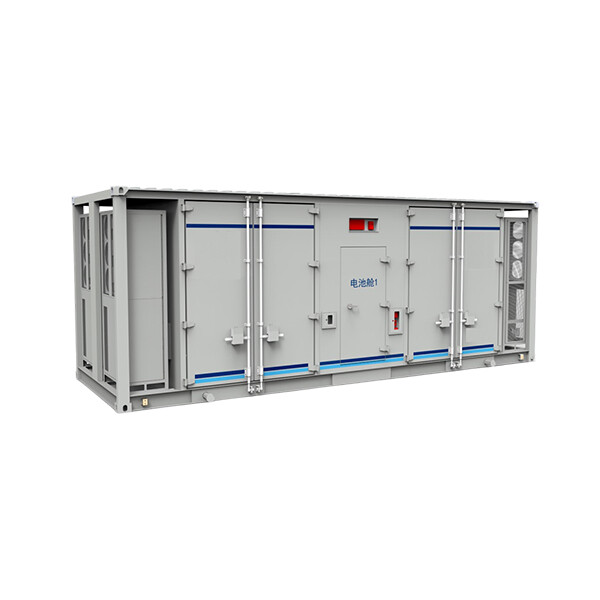
 2.6MWExplore the 2.6MW ENNP ESS 2656 energy storage system with LFP battery technology, liquid cooling, and advanced fire safety. Ideal for industrial applications with high efficiency and reliability.
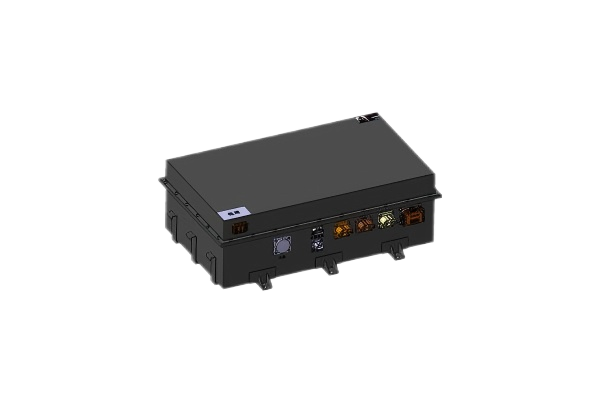
 96V212AhAdopting SVOLT LFP106Ah power cell to meet the actual working conditions of forklifts
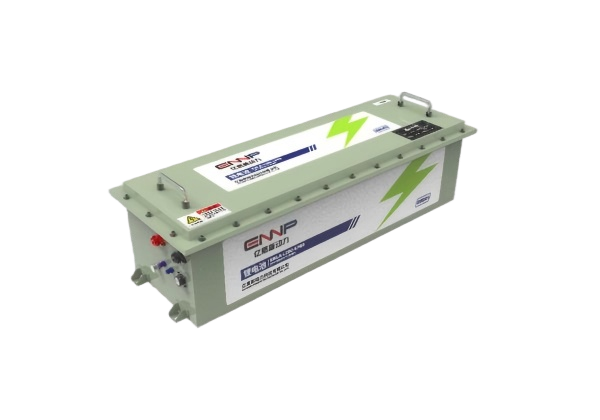
 24V230AhEVE Energy LFP Power Cell