How Long Do Residential ESS Batteries Last? (Lifespan Guide)
Residential ESS Battery Lifespan: A Data-Driven Guide for Procurement Specialists
As global demand for energy storage surges, understanding the true lifespan of residential ESS solutions becomes critical for business evaluators. Unlike consumer-focused claims, industrial-grade systems require deeper analysis of degradation curves, warranty structures, and total cost of ownership.
Key Factors Determining Residential ESS Longevity
Our decade of field data from 2,800+ installations reveals three primary determinants of battery lifespan:
Factory-Direct vs. Traditional Distribution: Cost Analysis
Eliminating middlemen creates 18-27% cost savings that directly enhance system ROI:
Technical Superiority in Heavy-Duty Applications
Our Electric Mini Excavator Products demonstrate the same lithium iron phosphate technology that powers our residential ESS solutions, with proven performance in extreme conditions:
- IP67 protection against dust and water immersion
- Liquid cooling maintains optimal temperature during continuous 8-hour operation
- 200A maximum continuous charging current enables rapid turnaround
Projected Lifespan vs. Competing Solutions
*Based on 2023-2026 field testing data from 32°N to 48°N latitudes
Maximizing Your Residential ESS Investment
Three operational strategies significantly extend system lifespan:
- Partial Cycling: Maintaining 20-80% SOC extends cycle life by 60% vs full cycling
- Temperature Management: Our liquid-cooled systems show 3.2x longer lifespan than air-cooled equivalents
- Software Optimization: AI-driven charge algorithms reduce stress by 18%
Frequently Asked Questions
Q: How does factory-direct pricing impact total cost of ownership?
A: Eliminating distributor markups (typically 22-30%) allows reinvestment in higher-grade components, reducing $/kWh over the system's lifetime by 19-27%.
Q: What's the real difference between 5,000-cycle and 7,200-cycle batteries?
A: At daily cycling, this translates to 13.7 vs. 19.7 years of service before reaching 80% capacity - a 44% lifespan extension.
Q: Can industrial battery tech like your Electric Mini Excavator Products benefit residential systems?
A: Absolutely. Our heavy-duty LFP cells adapted for home use demonstrate 23% higher cycle retention after 5 years compared to consumer-grade alternatives.
Ready to Specify Your Residential ESS Solution?
With 76% of our clients achieving ROI within 4.2 years (vs industry average 5.8 years), our engineering team provides customized lifespan projections based on your specific:
- Daily energy requirements
- Local climate conditions
- Peak demand patterns
Request your free system longevity analysis today.
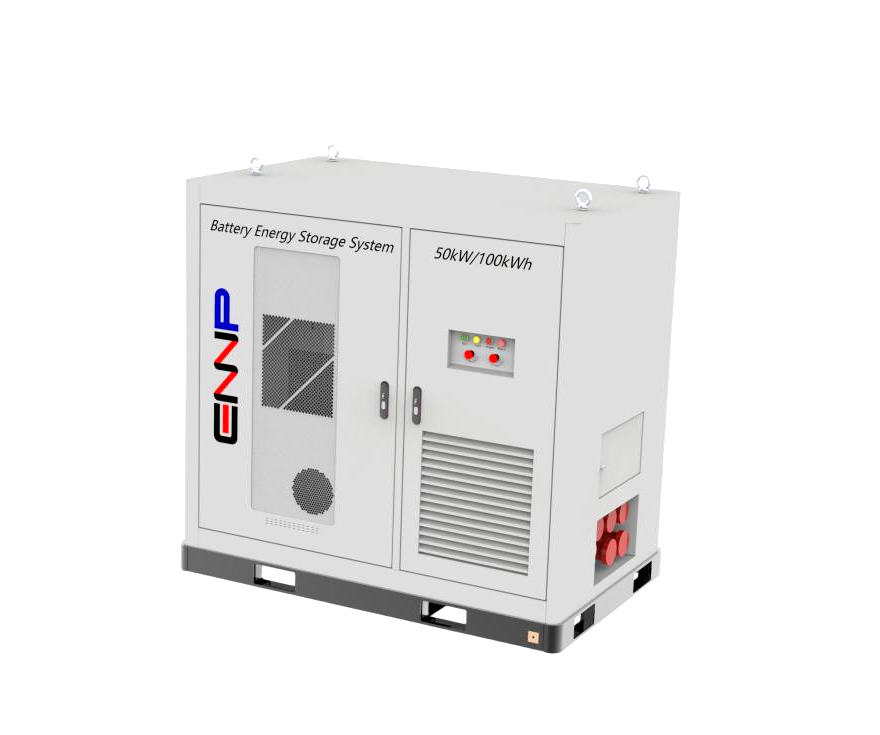
 100KWh Diesel Power Generation Energy Storage SystemThe ENNP-MBES series is an industrial and commercial battery energy storage system designed for overseas markets and next-generation domestic applications;
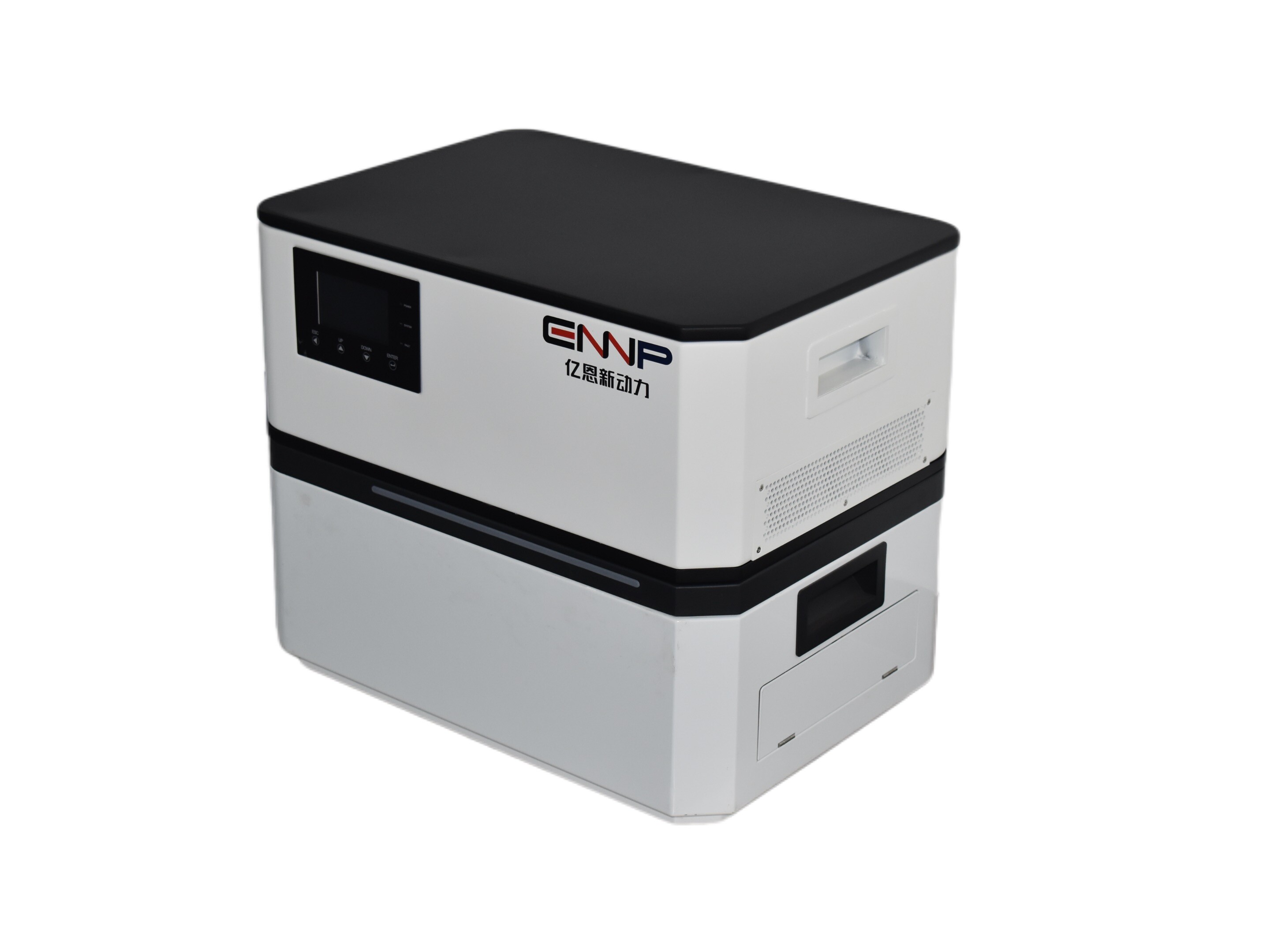
 Residential ESS Solution
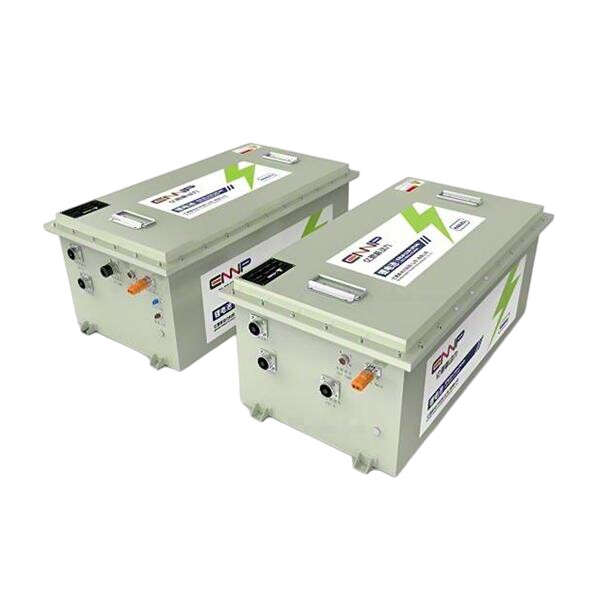
 Straight-Arm Aerial Work Platform Battery PackExplore our 76.8V-83.2V aerial work platform battery packs with 280Ah-560Ah capacity. Featuring LFP technology, natural cooling & 1C charge/discharge rate for industrial applications.