5 Critical Factors When Choosing a 100KWh Diesel Power Generation Storage System
Introduction to 100KWh Diesel Power Generation Storage Systems
Selecting the right 100KWh Diesel Power Generation Energy Storage System is crucial for project efficiency and cost-effectiveness. This guide highlights 5 critical factors to consider, from LFP Battery Pack performance to compatibility with Electric Mini Excavator Products. Whether you're a procurement specialist, project manager, or end-user, these insights will help you make an informed decision for your new energy power needs.
Modern energy storage solutions require robust systems capable of handling high-capacity demands. The 100kWh diesel-hybrid systems represent an optimal balance between power output and storage efficiency, particularly for off-grid applications in mining, construction, and emergency backup scenarios.
Factor 1: Battery Chemistry and Performance
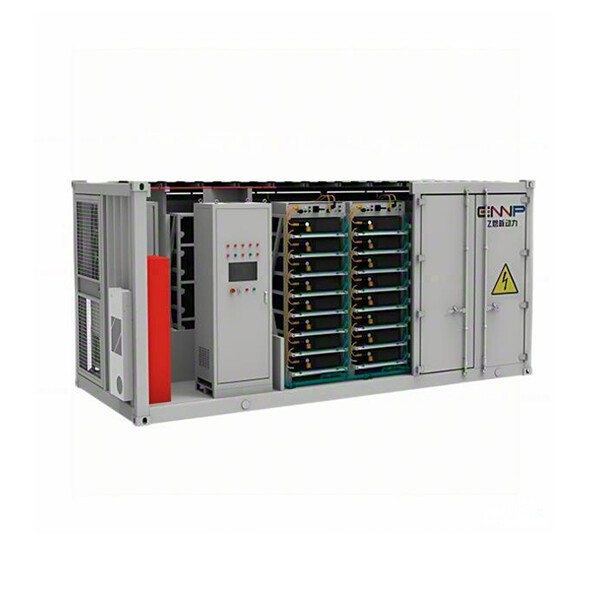
LFP (Lithium Iron Phosphate) batteries have become the industry standard for energy storage systems due to their superior thermal stability and lifecycle performance. The ENNP-BES-100 model utilizes LFP-280 cells that deliver:
- Cycle life exceeding 6,000 cycles at 95% DOD
- Operating temperature range of -20°C to 60°C
- Passive balancing technology for consistent cell performance
The table below compares key battery parameters across different capacity models:
When evaluating battery performance, consider that the 100kWh system maintains optimal efficiency between 5%-100% SOC, with air cooling ensuring stable operation even at maximum load.
Factor 2: System Integration Capabilities
Modern power generation storage systems must interface seamlessly with existing infrastructure. The ENNP-BES-100 series offers multiple communication protocols including LAN, CAN, and RS485, supporting integration with:
- Smart grid management systems
- Remote monitoring platforms
- Hybrid power generation setups
Key integration parameters include:
- Operating voltage range: 313.6V~408.8V
- Standard charge rate: 0.5C (50kW for 100kWh system)
- Noise levels below 80dB at 1m distance
Factor 3: Safety and Protection Features
Industrial energy storage demands rigorous safety standards. The 1P16S battery configuration with cluster-level fire detection and perfluorohexane suppression provides multiple protection layers:
The system's 1P112S cluster connection method ensures localized fault isolation, preventing cascading failures across the entire battery bank.
Factor 4: Operational Efficiency Metrics
Project managers should evaluate these critical efficiency indicators:
- Energy density: 100kWh capacity in 1300×1450×2500mm footprint
- Round-trip efficiency: ≥95% under optimal conditions
- Maintenance requirements: Semi-annual inspections recommended
The passive balancing system maintains voltage differentials below 20mV across cells, ensuring consistent performance throughout the battery's 6,000+ cycle lifespan.
Factor 5: Total Cost of Ownership
Beyond initial purchase price, consider these long-term cost factors:
- Replacement cycles: 10-15 year service life at 80% capacity retention
- Energy savings: 30-40% reduction vs. conventional diesel-only systems
- Space efficiency: 40% smaller footprint than equivalent lead-acid systems
The 100kWh system achieves ROI within 3-5 years for most industrial applications, with the LFP chemistry eliminating periodic electrolyte maintenance costs.
Implementation Considerations
Successful deployment requires attention to:
- Site preparation: Allow 15-20% clearance around units for airflow
- Commissioning: Typically requires 2-3 days for system calibration
- Training: 8-16 hours recommended for operations staff
Frequently Asked Questions
What maintenance does the 100kWh system require?
The system requires semi-annual inspections focusing on connection integrity, cooling system performance, and battery management system calibration. Unlike lead-acid batteries, no electrolyte maintenance is needed.
Can the system operate in extreme temperatures?
The ENNP-BES-100 maintains operation from -20°C to 60°C, though optimal performance occurs between 15°C and 35°C. Below freezing, the system automatically engages heating elements to maintain battery health.
How does the system compare to traditional diesel generators?
Hybrid systems reduce fuel consumption by 30-50% while providing instantaneous power response. The energy storage component also enables load shifting and peak shaving capabilities impossible with conventional generators.
Conclusion and Next Steps
Selecting the optimal 100KWh diesel-hybrid energy storage system requires balanced evaluation of battery performance, integration capabilities, safety features, operational efficiency, and total cost. The ENNP-BES-100 series delivers industry-leading specifications across all five critical factors.
For project-specific recommendations or to request technical specifications, contact our energy storage solutions team for a customized consultation based on your operational requirements and site conditions.
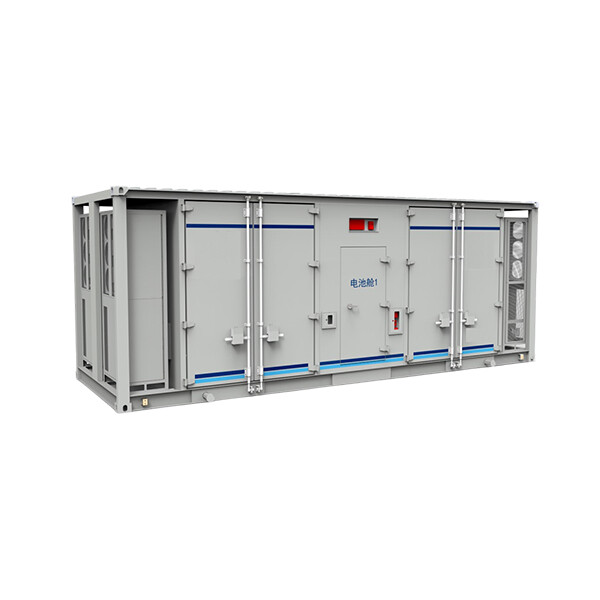
 3.3MWDiscover our 3.3MW LFP Battery Energy Storage System with 3354.624kWh capacity, liquid cooling, and advanced safety features. Ideal for high-efficiency energy storage solutions.
 2.6MWExplore the 2.6MW ENNP ESS 2656 energy storage system with LFP battery technology, liquid cooling, and advanced fire safety. Ideal for industrial applications with high efficiency and reliability.
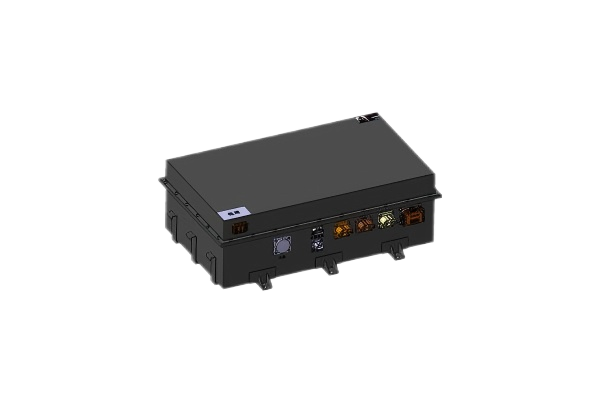
 96V212AhAdopting SVOLT LFP106Ah power cell to meet the actual working conditions of forklifts