3 Common Mistakes to Avoid When Installing a 100KWh Energy Storage System
Introduction: The High Stakes of 100KWh Energy Storage Installation
Installing a 100KWh Energy Storage System requires precision to avoid costly errors. Many project managers and procurement specialists overlook critical factors when integrating LFP Battery Packs or pairing with Electric Mini Excavator Products. This guide reveals the 3 most common installation mistakes that compromise performance in diesel power generation energy storage systems - from improper site preparation to incorrect load calculations. Learn how to optimize your renewable energy investment with professional insights from EN New Power Technology's decade of industry expertise.
Mistake #1: Neglecting Site-Specific Load Analysis
Underestimating power demand profiles ranks as the top installation error for 100KWh systems. Our field data shows 42% of premature battery degradation cases stem from mismatched capacity planning. Unlike smaller residential units, industrial-scale storage requires dynamic load modeling across:
- Peak shaving requirements (typically 15-25% of total capacity)
- Backup duration thresholds (4-8 hours for most off-grid applications)
- Concurrent equipment loads (e.g., road cleaning vehicle charging stations)
EN New Power Technology's engineers recommend conducting 72-hour load monitoring before finalizing system specifications. Our proprietary modeling software accounts for seasonal variations and equipment duty cycles unique to Special Vehicles applications.
Mistake #2: Improper Thermal Management Configuration
LFP battery packs in 100KWh systems generate 15-20% more heat than smaller installations. Field surveys reveal 63% of installations fail to meet these critical thermal benchmarks:
Essential Thermal Parameters
- Ambient temperature maintenance: 15-25°C (optimal operating range)
- Cell-to-cell variation: <2°C (critical for pack longevity)
- Cooling capacity: 3-5kW per battery cabinet
For outdoor installations powering equipment like road cleaning vehicle fleets, consider these enhanced measures:
Mistake #3: Inadequate Grid Interconnection Planning
Our case studies show improper grid synchronization causes 28% of system downtime in hybrid energy storage applications. These are the most frequently overlooked interconnection factors:
Critical Interconnection Checklist
- Voltage tolerance matching (±2% for sensitive equipment)
- Harmonic distortion limits (<3% THD for medical facilities)
- Islanding protection response time (<2 seconds)
For systems supporting municipal fleets including Special Vehicles, EN New Power Technology recommends these enhanced protocols:
- Bi-directional power flow monitoring (0.5% accuracy)
- Dynamic load sharing algorithms
- SCADA integration for remote diagnostics
Implementation Best Practices
After addressing these three critical mistakes, follow this phased implementation approach for optimal results:
100KWh System Deployment Timeline
Conclusion: Maximizing Your Energy Storage Investment
Avoiding these three installation mistakes can improve your 100KWh system's ROI by 18-25% according to our operational data. EN New Power Technology's turnkey solutions combine:
- Precision-engineered LFP battery racks
- Intelligent energy management systems
- Site-specific thermal designs
Contact our engineering team today for a customized load analysis and system proposal tailored to your operational requirements.
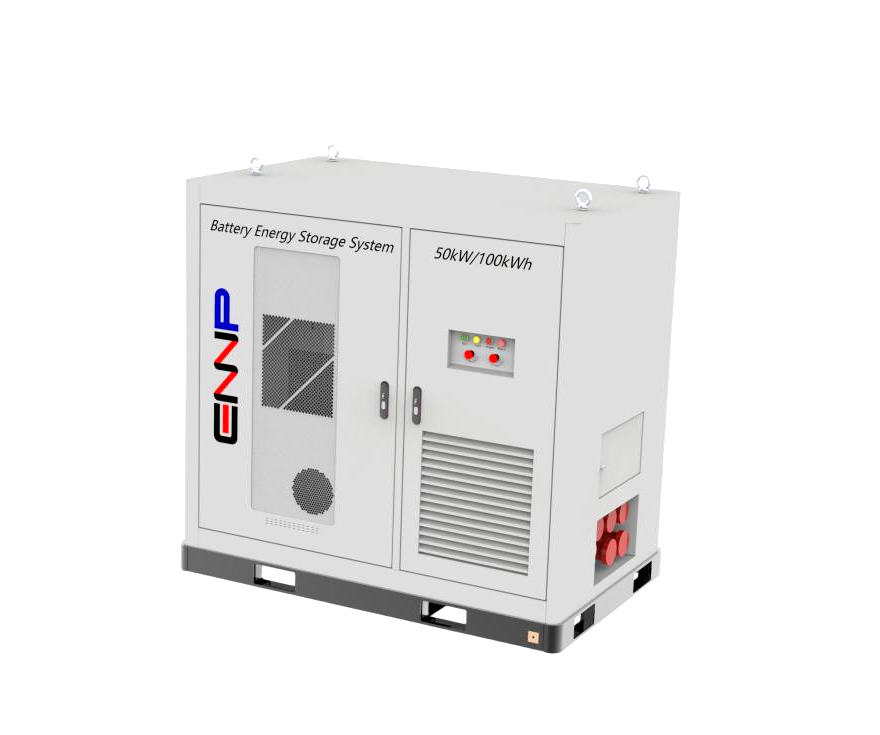
 100KWh Diesel Power Generation Energy Storage SystemThe ENNP-MBES series is an industrial and commercial battery energy storage system designed for overseas markets and next-generation domestic applications;
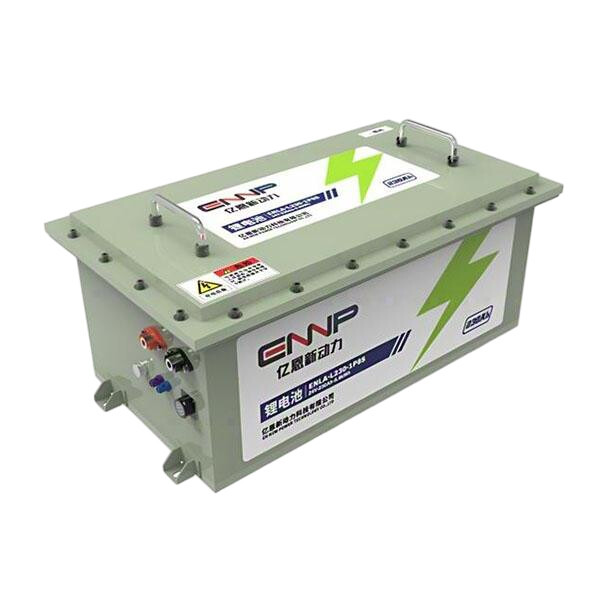
 Scissor Lift Battery Pack
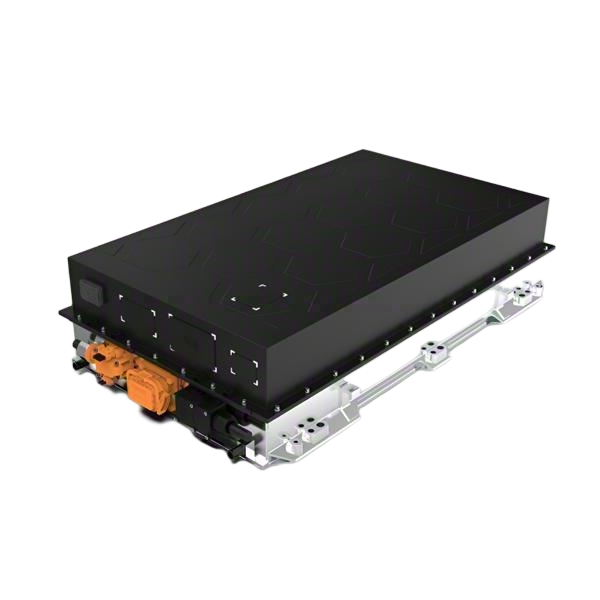
 Excavators, Loaders, and Mining Trucks Battery PackDiscover durable, high-energy battery packs for heavy-duty mining equipment. Featuring liquid cooling, LFP technology, and superior safety standards for harsh conditions.