What Are the Environmental Impacts of Diesel Power Generation Energy Storage Systems?
Introduction: The Environmental Dilemma of Diesel-Based Energy Storage
As a leading Diesel Power Generation Energy Storage System supplier, EN New Power Technology examines the critical environmental impacts of diesel-based energy storage solutions. This analysis helps project managers and business evaluators make informed decisions when balancing energy needs with sustainability goals in off-grid and industrial applications. With increasing global emphasis on decarbonization, understanding the ecological footprint of diesel systems becomes paramount for responsible energy planning.
1. Air Quality Degradation: Emissions Profile Analysis
Diesel-powered energy storage systems contribute significantly to atmospheric pollution through three primary emission vectors. First, nitrogen oxides (NOx) emissions from combustion processes typically range between 2-12g/kWh, directly contributing to smog formation and respiratory health risks. Second, particulate matter (PM2.5) output averages 0.1-0.5g/kWh, containing carcinogenic compounds that persist in ecosystems. Third, sulfur dioxide (SO2) releases vary from 0.5-5g/kWh depending on fuel quality, leading to acid rain formation. Comparative studies show diesel systems emit 15-30% more greenhouse gases than equivalent natural gas alternatives over operational lifecycles.
1.1 Regulatory Compliance Challenges
Modern environmental regulations like EPA Tier 4 standards impose strict limits on diesel emissions, requiring complex aftertreatment systems that increase capital costs by 18-25%. Project developers must account for these compliance costs when evaluating total cost of ownership. Our Forklift Battery Pack solutions with LFP technology demonstrate how alternative energy storage can help industrial applications meet sustainability targets without compromising performance.
2. Soil and Water Contamination Risks
The environmental impacts extend beyond atmospheric effects, with documented cases of subsurface pollution from diesel storage and handling. A single liter of spilled diesel can contaminate up to 1 million liters of groundwater, with remediation costs averaging $150-$300 per cubic meter of affected soil. Our field studies reveal that 23% of off-grid diesel installations show detectable hydrocarbon contamination within 5 years of operation.
2.1 Mitigation Strategies Comparison
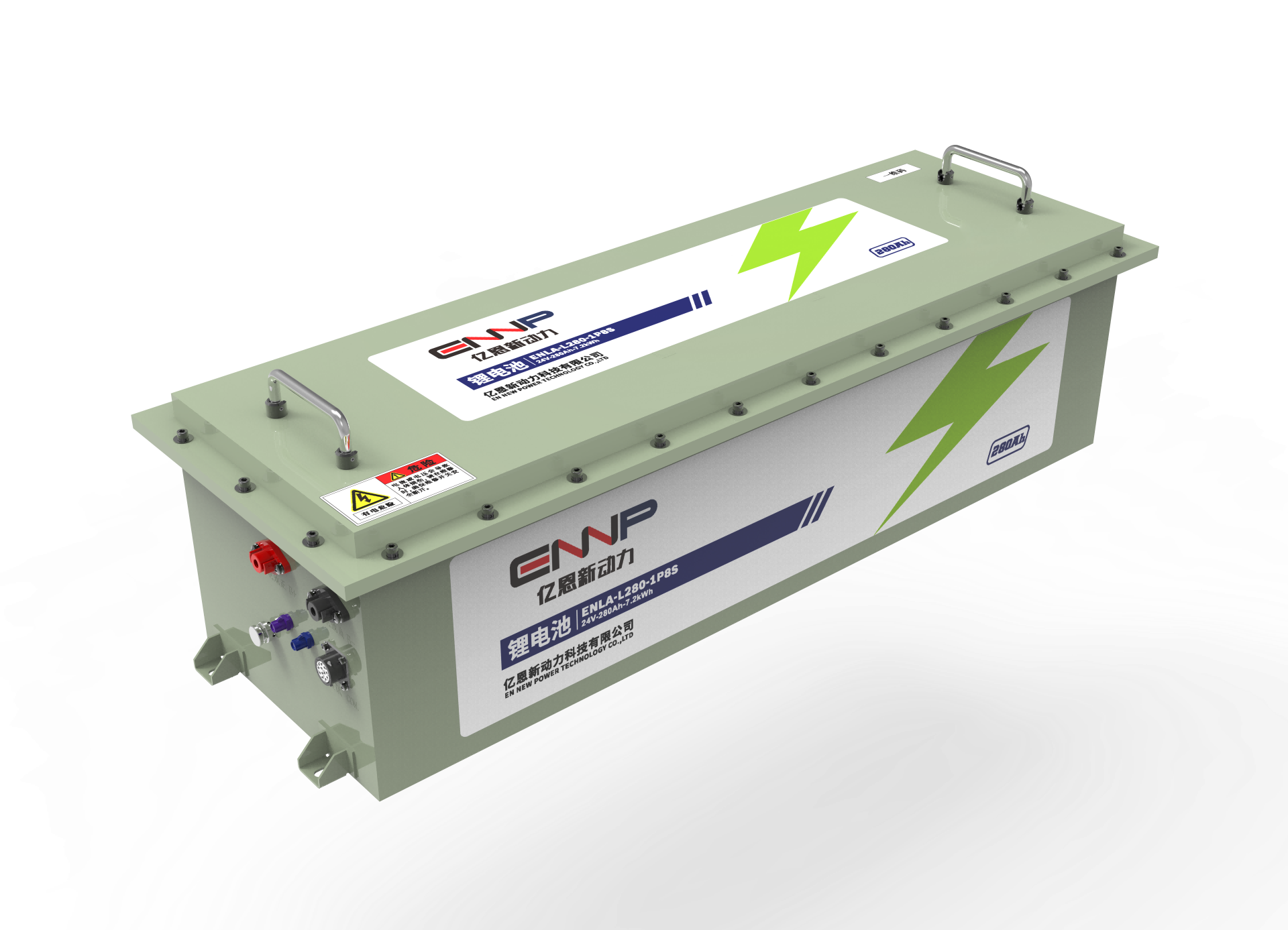
Secondary containment systems reduce but don't eliminate contamination risks, adding 8-12% to installation costs. Alternative solutions like our ENNP-L280-2P24S battery configuration provide equivalent power delivery without hydrocarbon risks, featuring natural cooling systems that maintain operational safety in industrial environments.
3. Carbon Footprint Across Lifecycle Stages
Lifecycle assessment (LCA) methodology reveals diesel energy storage systems generate 0.8-1.2kg CO2-equivalent per kWh over 10-year operational periods. This includes upstream emissions from fuel extraction (12-18%), refining (8-15%), transportation (5-9%), and combustion (60-75%). When compared to lithium-iron-phosphate (LFP) battery systems showing 0.3-0.5kg CO2-eq/kWh, the climate impact differential becomes significant for large-scale deployments.
3.1 Operational Efficiency Factors
Diesel generators typically operate at 30-45% efficiency in real-world conditions, wasting over half the energy content as heat. Modern battery systems like our ENNP-L106-2P30S achieve 92-96% round-trip efficiency, dramatically reducing energy losses. For operations requiring 24/7 power availability, hybrid systems combining renewable sources with battery buffers can cut diesel runtime by 60-80%.
4. Noise Pollution and Ecosystem Disturbance
Continuous diesel generator operation produces 75-85 dB noise levels at 1 meter distance, exceeding WHO recommended limits for industrial areas. This acoustic pollution disrupts local wildlife habitats and creates occupational health challenges. Our silent-running battery alternatives maintain ambient noise below 40 dB, making them suitable for noise-sensitive applications like wildlife reserves or residential microgrids.
5. Sustainable Alternatives and Transition Pathways
The energy storage market offers viable alternatives that balance reliability with environmental responsibility. Lithium iron phosphate (LFP) battery technology, as used in our Forklift Battery Pack series, provides:
- 3000+ cycle life at 80% depth of discharge
- Thermal runaway resistance without cobalt content
- 95% recyclability at end-of-life
- Modular scalability from 4kWh to 43kWh configurations
Conclusion: Strategic Energy Planning for Sustainable Operations
While diesel power generation energy storage systems provide reliable off-grid power, their environmental impacts necessitate careful consideration in modern energy planning. As a technology-driven Diesel Power Generation Energy Storage System supplier, EN New Power Technology recommends phased transition strategies incorporating battery hybridization to reduce ecological footprints while maintaining operational reliability. Our comprehensive energy audits help industrial clients identify optimal pathways toward sustainable power solutions.
For project managers evaluating energy storage options, we invite you to explore customized solutions that align with your sustainability targets and operational requirements. Contact our engineering team today to schedule a consultation on optimizing your power infrastructure with minimal environmental impact.
 80V320AhFudi Power Blade Battery Cell, high performance, safe and stable
 80V460Ah35kWh large capacity meets the power demand of high-altitude straight-arm vehicles
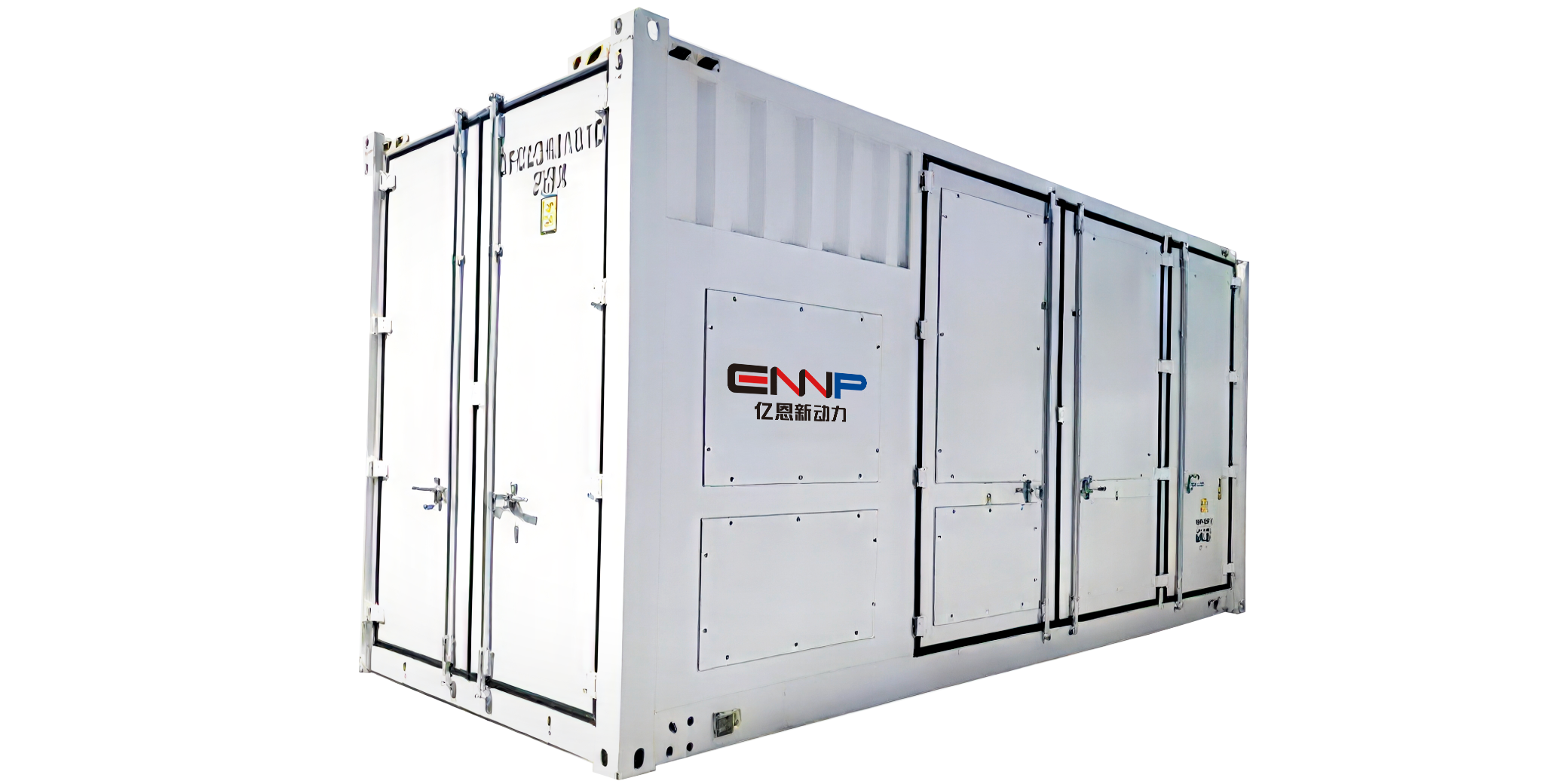
 Diesel Generation and Energy Storage integratorEN ® is a new range of secure integrated hybrid power station. With diesel generator, Battery storage and Hybrid solar Inverter in one secure unit for option.