The largest industrial and commercial energy storage project in Shandong Province's cement industry has been put into operation
On June 13th, Jining Zhonglian Cement's 5MW/10MWh industrial and commercial energy storage power station was successfully connected to the grid and put into operation. This project, a major investment by En New Power, is the largest industrial and commercial project in the province's cement industry to date. Located in Sishui County, Jining City, Shandong Province, the 5MW/10MWh power station is designed to store approximately 10,000kWh of energy on a single charge, with a three-month cycle of two charge-two-discharge cycles and a nine-month cycle of one charge-one-discharge cycle.
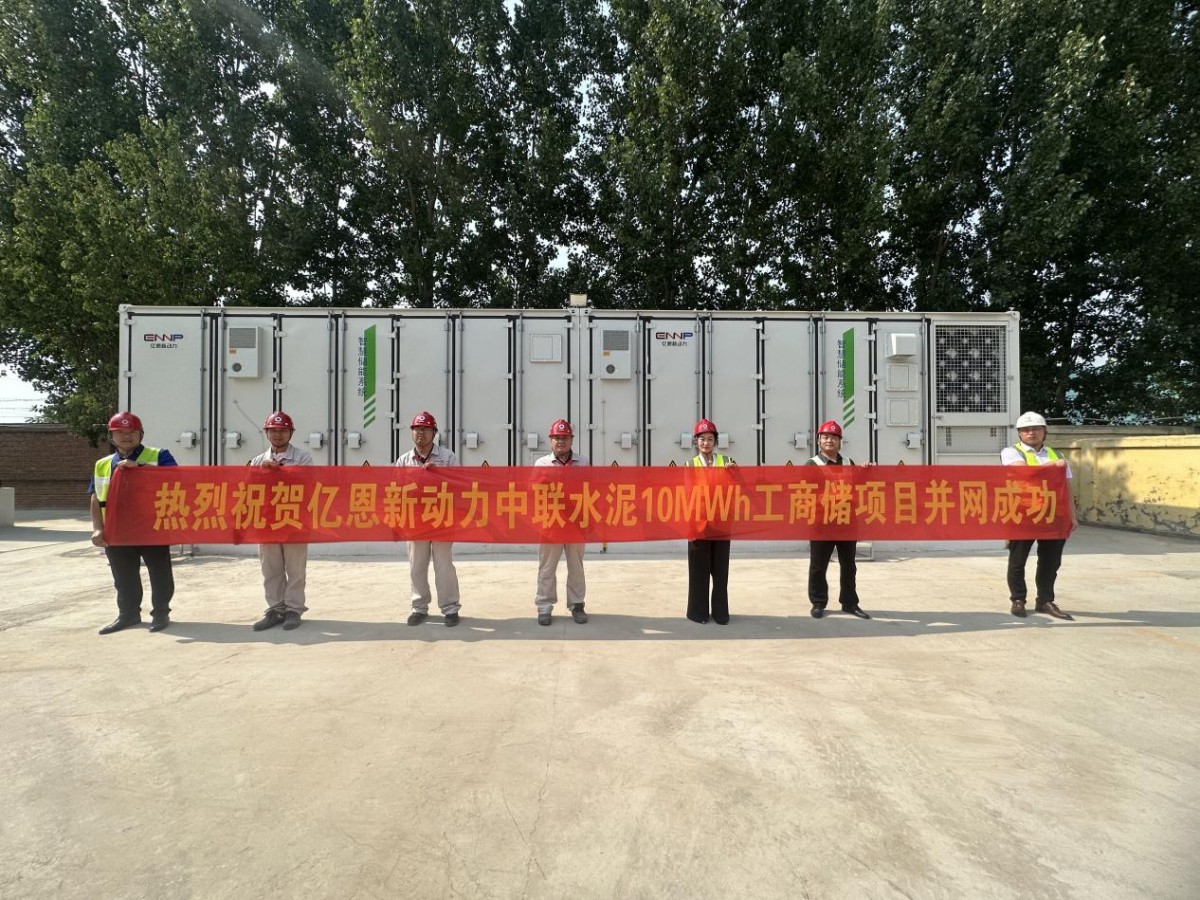
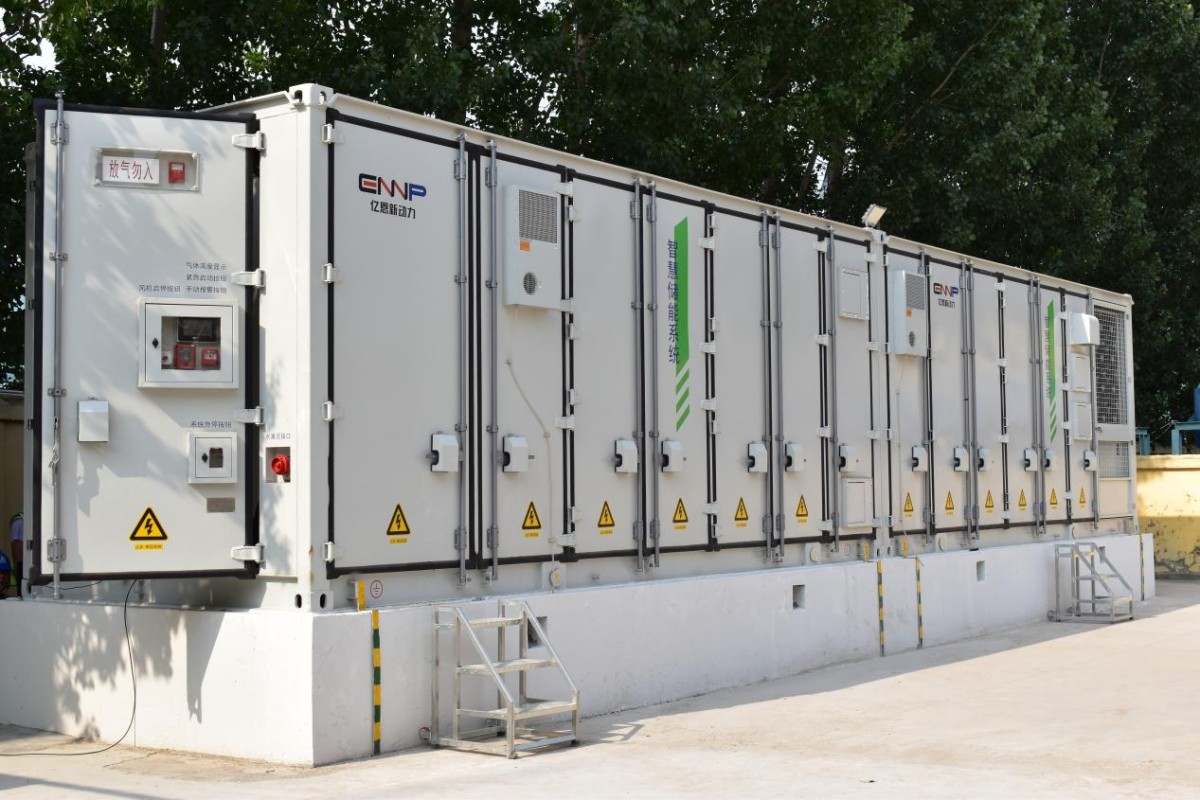
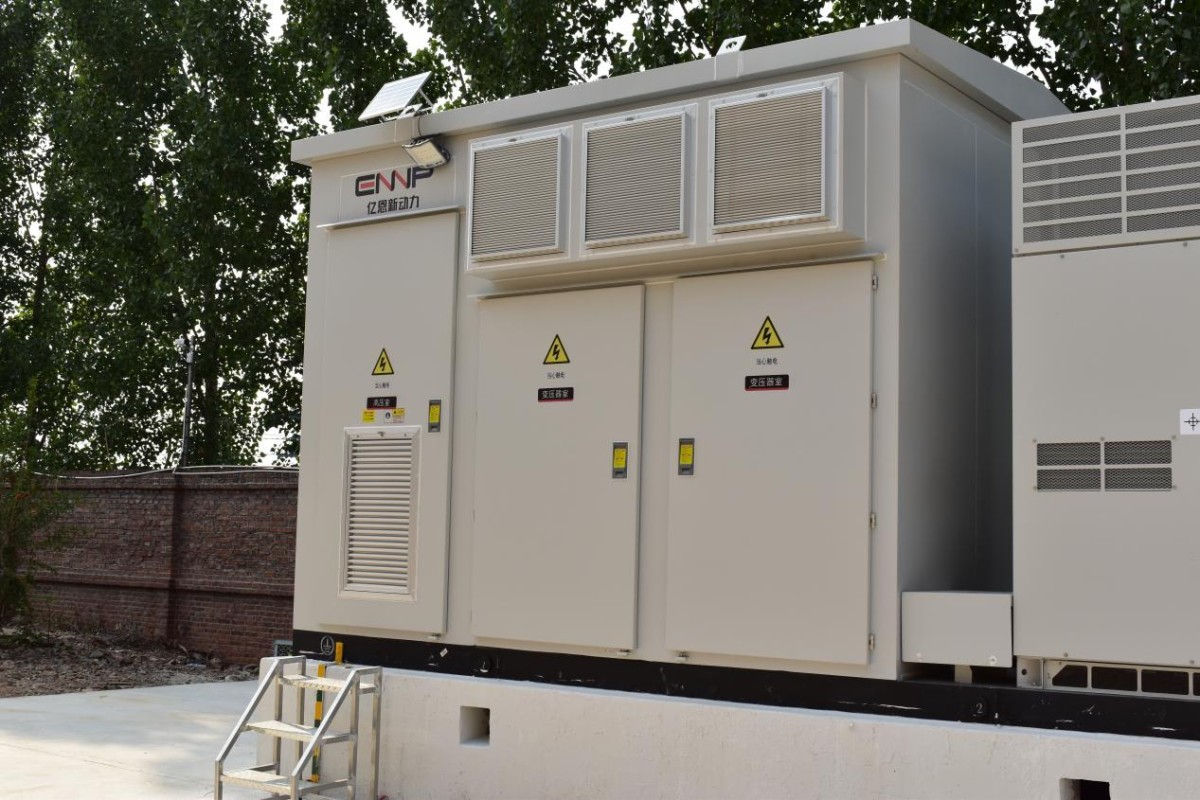
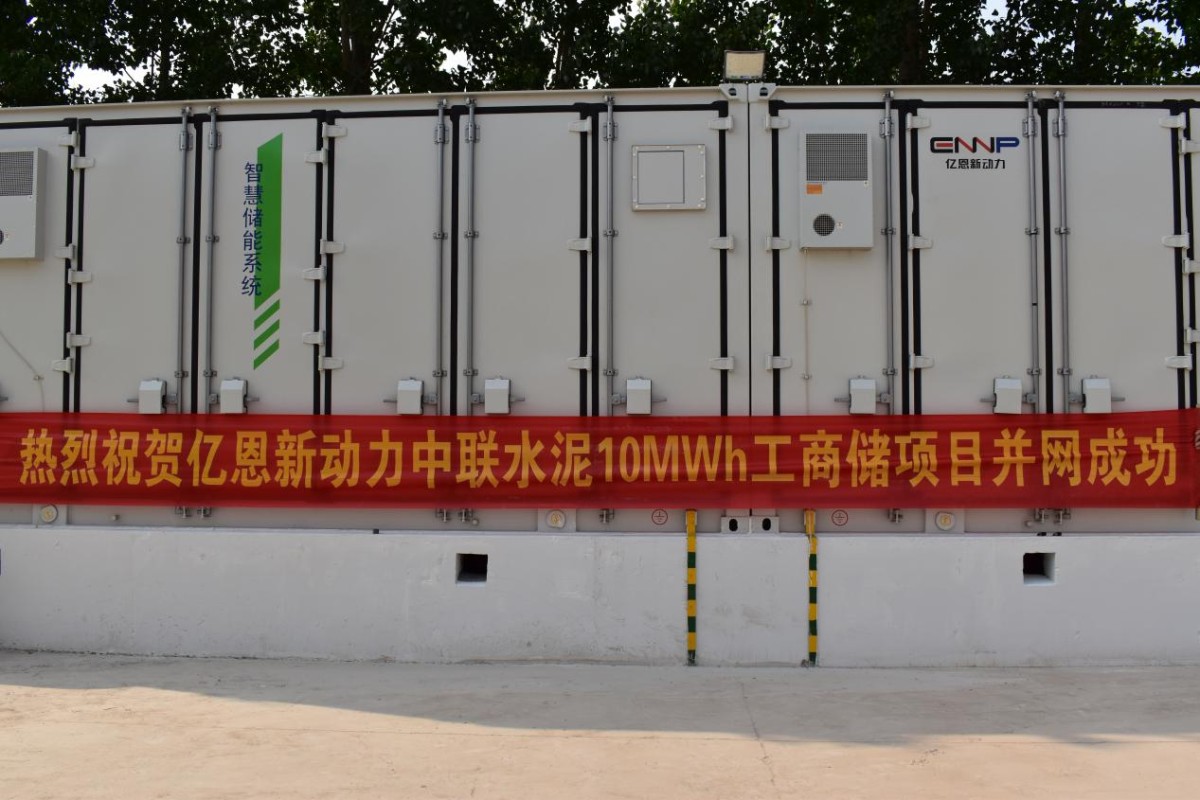
1. System Basic Parameters
Capacity and Power: This system has an energy storage capacity of 5MWh (megawatt-hours) and a rated power of 0.5MW (megawatts), resulting in a power-to-capacity ratio of 0.5P (the power-to-capacity ratio is 0.5/5 = 0.1, corresponding to a 10-hour discharge time).
Liquid Cooling Technology: This system utilizes a liquid cooling solution, precisely controlling battery temperature through coolant circulation, improving system efficiency and lifespan.
Battery Type: This energy storage system is compatible with head-mounted cells, providing more usable power within a limited space.
2. System Components
Battery Module: A standardized lithium-ion battery module with integrated high-energy-density cells.
Liquid Cooling Thermal Management System:
Coolant: An ethylene glycol-water solution is used, which is both insulating and highly thermally conductive.
Circulation Pump and Piping: Evenly distributes the coolant to each battery module.
Heat Dissipation: A 60kW liquid cooling unit is used to fully meet the system's cooling requirements.
Self-developed BMS (Battery Management System): Real-time monitoring of voltage, temperature, and SOC (State of Charge) to prevent overcharging/over-discharging.
Self-developed EMS (Energy Management System): Optimizes charging and discharging strategies, supporting grid frequency regulation and peak-shaving/valley-filling.
3. Core Advantages of Liquid Cooling Technology
Efficient Temperature Control: Liquid cooling improves heat dissipation efficiency by 30%-50%, ensuring battery temperature differences of ≤5°C, preventing localized overheating.
Extended Lifespan: A constant temperature operating environment reduces battery degradation and improves cycle life.
Compact Design: The liquid cooling system is smaller and suitable for high-density deployments (such as containerized energy storage).
High Adaptability: Operates stably in environments ranging from -20°C to 50°C and can withstand harsh conditions such as high temperature and high humidity.
High Safety: To ensure overall system safety, the system utilizes a triple-layer firefighting system: package-level, cabin-level, and water-based firefighting. This includes combustible gas detection, temperature detection, and smoke detection. From fire warning to fire triggering, layered detection ensures comprehensive fire protection.
4. Typical Application Scenarios
Commercial and Industrial Energy Storage: Provides peak-valley arbitrage (low storage, high discharge) for factories and industrial parks, reducing electricity costs.
Renewable Energy Smoothing: Complements photovoltaic/wind power generation to address intermittent power issues and improve grid stability.
Microgrids: Serves as the core energy storage unit in off-grid systems, ensuring continuous power supply.
Backup Power: Replaces diesel generators to provide emergency power for data centers and hospitals.
Grid Ancillary Services: Can participate in grid frequency regulation, enhancing grid flexibility.
5. Long-Term Economic Benefits
Peak-valley arbitrage: Given the significant price difference between peak and valley electricity in Shandong (approximately 0.7-0.9 yuan/kWh), annual returns can reach millions of yuan by charging and discharging twice a day (for three months) or once a day (for nine months). A single charge can store approximately 10,000 kWh of electricity. Based on a price difference of 0.8 yuan/kWh, the profit per cycle is approximately 7,000 yuan.
Lower electricity costs: The cement industry consumes large amounts of electricity. Energy storage systems can charge during low-price periods and discharge during peak periods, significantly reducing electricity bills.
Grid ancillary services: Participate in electricity market services such as frequency regulation and demand response to generate additional revenue.
Long-term economic benefits: Liquid cooling systems offer a longer lifespan and slower degradation, resulting in a lower lifecycle cost per kilowatt-hour (LCOS) and a higher return on investment (ROI).
Our liquid-cooled energy storage system, with its efficient temperature control, long lifespan, and high safety, is a preferred solution for medium- and large-scale industrial and commercial energy storage projects, particularly those requiring long discharge times and high reliability. As the cost of liquid cooling technology decreases, its role in the energy transition will become increasingly critical.
As a leading company in the new energy sector, ENE New Energy is driven by technological innovation and customer-centric approach. With a leading R&D team, ENE New Energy utilizes internationally advanced production processes and a strict quality control system to ensure that every product delivers superior performance and reliable quality. In the future, ENE New Energy will continue to uphold the philosophy of "quality first, efficiency first," creating more high-quality, fast-delivered benchmark projects to create greater value for our customers. Through successful cases, we will demonstrate the perfect combination of "ENE speed" and "ENE quality," setting a new benchmark for new energy project construction.