Shandong implements the "Eight Major Actions" to promote high-level consumption of new energy
Shandong Province's new energy development is entering a new stage. On May 15, the Provincial Government Information Office held a special press conference to officially release the "Shandong Province 2025 New Energy High-Level Consumption Action Plan", proposing a systematic "eight major actions" plan. This major policy measure not only marks that Shandong's new energy development has entered a new stage of quality improvement and efficiency increase, but also brings unprecedented development opportunities to related companies.
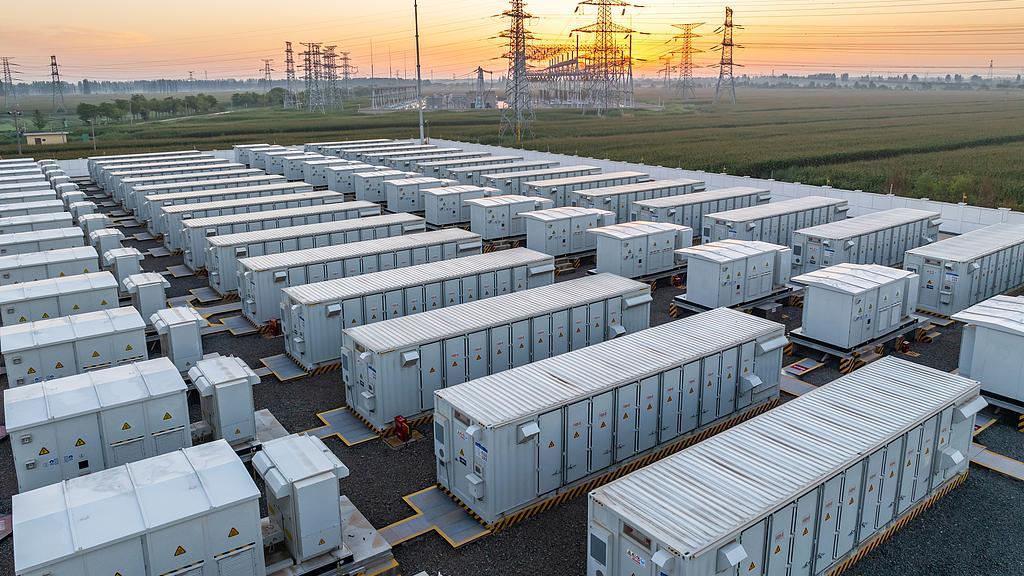
In recent years, the province's new energy has continued to develop rapidly. In June 2024, the installed capacity will be the first in the eastern coastal provinces to exceed 100 million, and in October it will historically exceed coal-fired power. Up to now, the province's installed capacity of new energy and renewable energy is 125 million kilowatts, accounting for more than 51%. Among them, photovoltaic installed capacity is 85.14 million kilowatts, ranking first in the country; wind power installed capacity is 26.69 million kilowatts, ranking fifth in the country. While promoting the high-quality development of new energy, the provincial party committee and the provincial government attach great importance to the work of new energy consumption, and clearly propose to improve the new energy and clean energy consumption system mechanism. The Provincial Development and Reform Commission and the Provincial Energy Bureau strengthen systematic thinking, adhere to problem orientation, formulate and implement a series of policies and measures to promote new energy consumption, and strive to improve the new energy consumption capacity. In 2024, the utilization rate of wind power in the province will be 96.4%, and the utilization rate of photovoltaic power will be 98.5%, which are 0.5 and 1.7 percentage points higher than the national average, respectively.
At the beginning of this year, the leaders of the provincial party committee emphasized at the provincial conference on reform and innovation to promote high-quality development that more efforts must be made to effectively grasp the consumption and utilization of new energy; the provincial government work report pointed out that it is necessary to improve the energy consumption and regulation mechanism. In order to thoroughly implement the decisions and arrangements of the provincial party committee and the provincial government, we conducted in-depth investigations and research, and carefully analyzed and demonstrated. In April 2025, we issued the "Shandong Province 2025 New Energy High-level Consumption Action Plan", vigorously implemented the "Eight Actions", focused on improving the new energy consumption capacity, and made every effort to ensure the high-level utilization of new energy. First, we will focus on implementing the new energy structure optimization action. We will vigorously promote the large-scale development of wind power, rationally and orderly develop photovoltaics, and actively optimize the total installed capacity ratio of photovoltaics and wind power. By the end of this year, the total installed capacity ratio of photovoltaics and wind power in the province will be optimized from the current 3.2:1 to 2.6:1, better play the complementary characteristics of wind and solar power, and effectively alleviate the problem of "midday peak and night valley" of photovoltaic power generation output. Second, we will focus on implementing the thermal power peak regulation enhancement action. Speed up the flexibility transformation of existing units, complete the transformation and approval of 20 million kilowatts of units throughout the year; strengthen the basic regulation status of coal-fired power, and build 2.68 million kilowatts of large-scale coal-fired power units before the end of the year; deeply tap the regulation capacity of self-provided power plants and support self-provided power plants to participate in the electricity market. Third, we will focus on implementing new energy storage boosting actions. Actively develop compressed air energy storage, with an additional scale of about 1 million kilowatts within the year; scientifically plan electrochemical energy storage, with an additional scale of more than 2 million kilowatts within the year; actively support the development of independent energy storage, encourage the application of new technologies such as sodium ion batteries and flywheel energy storage, improve the energy storage market trading mechanism, and continuously enhance flexible regulation capabilities. Fourth, focus on implementing grid support strengthening actions. Consolidate the provincial main grid, accelerate the construction of Mihe new construction and Haikou expansion projects; strengthen the municipal main grid, and put into operation Dongying Fuguo to Yumin line and other projects as soon as possible; continue to improve the intelligent dispatching system, organize grid connection acceptance and other work in advance, and ensure that coal-fired power, energy storage and other regulating resources are connected to the grid as soon as they are built. Fifth, focus on implementing green electricity consumption promotion actions. Support power users to increase their power purchase during the period of large-scale new energy generation and improve the level of green electricity consumption; issue and implement the green electricity industrial park construction plan to create a number of parks with a high proportion of green electricity consumption; promote the coordinated layout of computing power centers and renewable energy power generation projects to create new quality productivity incremental loads. Sixth, focus on implementing consumption model innovation actions. Support the construction of 30 source-grid-load-storage integration pilot projects using four modes such as local and nearby consumption; build a total of 30 virtual power plants, aggregate various "small and scattered" resources such as distributed power sources, adjustable loads, and energy storage, realize flexible peak-shaving and valley-filling, and improve the regulation capacity of the power system; promote the integrated development of "wind, solar, hydrogen, ammonia, and alcohol", and build the Huadian Weifang hydrogen production and hydrogenation integrated station project; actively expand the consumption space outside the province, realize the normalized inter-provincial trading of surplus new energy, and strive to sell more than 500 million kWh within the year. Seventh, focus on implementing the deepening action of power marketization reform. Accelerate the formulation of the implementation plan for the marketization reform of new energy on-grid electricity prices, and a draft for comments has been formed; scientifically determine the scale of mechanism electricity, steadily organize the bidding work of new energy mechanism electricity prices, and promote the entry of all new energy on-grid electricity into the power market and the formation of on-grid electricity prices through market transactions. Eighth, focus on implementing the action to improve user-side response capabilities. Dynamically optimize the peak-valley coefficient and execution period of time-of-use electricity prices, and guide electricity users to actively participate in peak load regulation; give full play to the role of electric vehicle energy storage resources in grid peak load regulation, organize the construction of vehicle-grid interactive charging and swapping demonstration stations, and achieve full coverage at the municipal level.
Overall, Shandong's high-level new energy consumption action in 2025 has three main characteristics. First, it highlights the systematic nature. Adhere to the coordinated efforts of all links of "generation, regulation, storage, and use", and take multiple measures to improve the new energy consumption capacity by optimizing the new energy installed structure, digging deep into the regulation capacity of the power system, accelerating the development of new energy storage, enriching the nearby consumption scenarios, and stimulating the demand for green electricity use. Second, it highlights the targeted nature. In response to the new situation and new requirements of new energy consumption in 2025, further focus on policies and further increase efforts on measures to ensure that the consumption action achieves tangible results. For example, actively adapt to the trend of power market reform, and further refine the requirements for the full participation of new energy in the power market. Third, it highlights operability. The specific goals and key tasks for ensuring the consumption of new energy shall be clarified item by item, and the responsibilities shall be tightened to ensure quick implementation and quick results. For example, the flexibility transformation of existing coal-fired power units shall adhere to one policy for each plant, and strive to complete the transformation task of the units for the whole year before the end of September. At the same time, the transformation plan for next year shall be planned and implemented in advance.
In the next step, the Provincial Development and Reform Commission and the Provincial Energy Bureau will earnestly implement the deployment requirements of the Provincial Party Committee and the Provincial Government, and work with relevant departments to form a working pattern of joint management and each doing its own job, track and promote the implementation of various tasks, and ensure the high-quality development and high-level utilization of new energy.
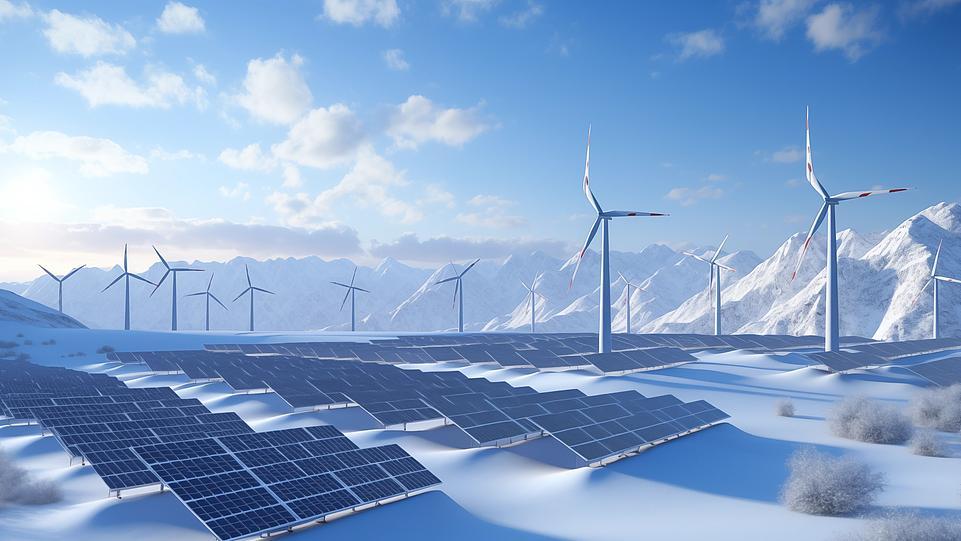
At present, the scale of new energy installed capacity in Shandong Province has exceeded 125 million kilowatts, accounting for more than 51% of the total installed capacity of electricity in the province, of which photovoltaic installed capacity has reached 85.14 million kilowatts, ranking first in the country. While the scale is expanding rapidly, the problem of consumption is becoming increasingly prominent. To this end, Shandong has innovatively launched the "Eight Major Actions", coordinating efforts from multiple dimensions such as power structure, power grid construction, energy storage development, and market mechanism to build a new ecology for new energy consumption.
For energy companies, this series of policies contains huge market opportunities. On the power supply side, the policy clearly requires the optimization of the proportion of wind and solar installed capacity, which provides new growth space for wind power developers; in the field of peak regulation, the flexibility transformation plan of 20 million kilowatt coal-fired power units will bring considerable investment demand; the energy storage industry has ushered in explosive growth, and new energy storage technologies such as compressed air energy storage and electrochemical energy storage will receive substantial support. More importantly, the policy encourages the integrated development of source, grid, load and storage, supports innovative models such as virtual power plants, and opens up new business tracks for energy service companies.
The market-oriented reform of electricity is another highlight of this policy. The on-grid electricity price of new energy will be fully market-oriented, which means that power generation companies need to improve their market trading capabilities; at the same time, the optimization of the time-of-use electricity price mechanism also creates conditions for industrial users to adjust their electricity strategies and reduce energy costs. On the consumer side, policies such as the construction of green power parks, the coordinated development of computing centers and new energy will promote green power consumption into a new stage.
Energy New Energy will certainly actively respond to the policy call, combine its own business, quickly lock in policy dividends, and seize the initiative in the new energy market. At the same time, it will continue to increase technological innovation, deepen local services, and contribute professional strength to the high-level consumption of new energy in Shandong.