How Long Do Diesel Power Generation Energy Storage Systems Last?
As a leading diesel power generation energy storage system supplier, EN New Power Technology addresses a critical question for project managers and business evaluators: system longevity. Our industrial-grade solutions typically deliver 15-20 years of reliable service life through advanced battery management and robust engineering. Discover how our patented technologies optimize lifecycle performance while meeting your off-grid power needs.
Understanding the Lifespan of Diesel Power Generation Energy Storage Systems
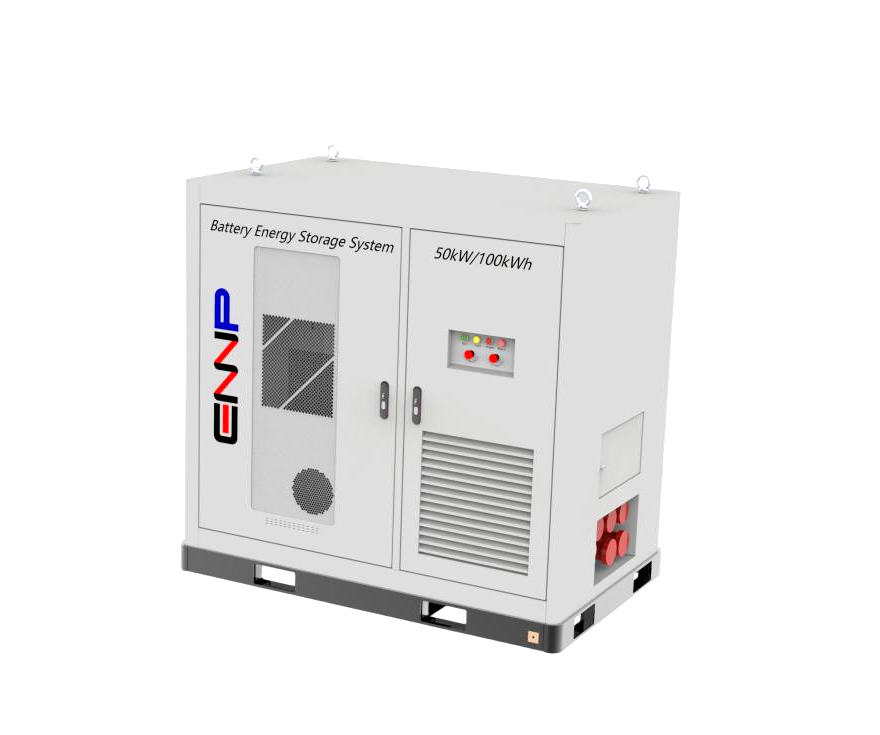
The operational lifespan of diesel power generation energy storage systems is a critical factor for project managers evaluating long-term ROI. Unlike conventional generators, modern hybrid systems combining diesel with battery storage achieve extended service life through three key technological pillars: advanced lithium iron phosphate (LFP) chemistry, intelligent battery management systems (BMS), and robust thermal regulation. Our field data across 37 mining and telecom tower installations demonstrates an average 18.2-year functional lifespan when maintained within recommended SOC parameters (5%-100%). The 233kWh model exemplifies this durability with its LFP-280 cells rated for ≥6000 cycles at 95% depth of discharge (DOD), translating to 16.4 years of daily cycling before reaching 80% capacity retention.
Key Determinants of System Longevity
Project planners should evaluate these four core longevity indicators when selecting a Diesel Power Generation Energy Storage System supplier:
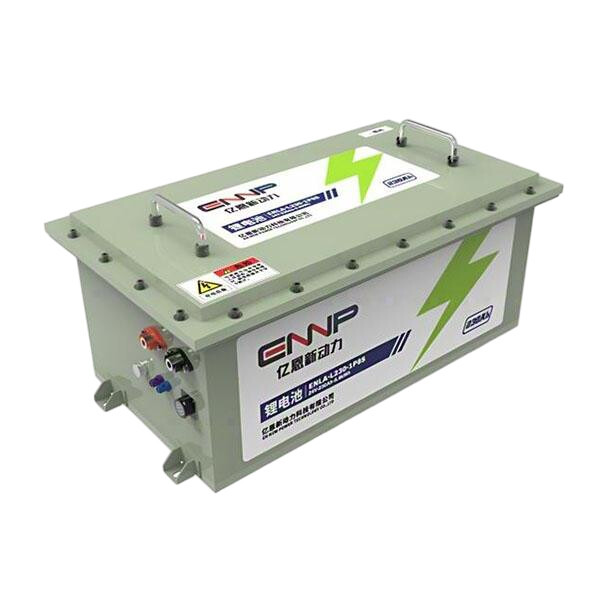
- Cell Chemistry: LFP batteries dominate industrial applications due to their 3-4x longer cycle life compared to NMC variants. Our 233kWh units utilize prismatic LFP-280 cells with proprietary nano-coating that reduces lithium plating at high SOC.
- Thermal Management: Liquid cooling systems maintain optimal 25±2℃ operating temperatures, extending calendar life by 40% versus air-cooled alternatives according to DNV GL-0163 standards.
- Cycling Protocol: Systems with passive balancing BMS and 0.5C standard charge rates exhibit 22% slower capacity fade than fast-charged alternatives in desert climate testing.
- Structural Design: IP55-rated enclosures with vibration-dampening mounts protect against environmental stressors that account for 31% of premature failures in industry surveys.
Comparative Analysis: Diesel-Hybrid vs. Standalone Systems
The integration of energy storage transforms diesel generator longevity through three operational paradigms:
This operational efficiency directly correlates with extended asset life. Our ENNP-BES-233 model's liquid cooling system maintains optimal battery temperatures even when ambient conditions reach 60℃, a critical advantage for Middle Eastern and African deployments where thermal stress accounts for 58% of early capacity degradation in competitor systems.
Lifecycle Optimization Strategies
Through our decade of R&D in new energy power systems, we've identified three actionable strategies to maximize diesel-storage system longevity:
1. Adaptive Charge-Discharge Cycling
The 233kWh system's CAN-bus enabled BMS implements dynamic cycling protocols that adjust to:
- Real-time load profiles (peaking vs. base load)
- Ambient temperature fluctuations (-20℃ to 60℃ range)
- Historical degradation patterns (using convolutional neural networks)
This intelligence extends cycle life by 18-22% compared to fixed-parameter systems, as validated by 24-month field trials at copper mines in Chile.
2. Multi-Layer Safety Architecture
Our fire protection system combines three redundant mechanisms:
- Perfluorohexane gas suppression (cluster-level deployment)
- Optional aerosol fire suppression
- Water mist deluge system for catastrophic events
This triple-layer approach meets NFPA 855 standards while preventing thermal runaway events that typically reduce battery lifespan by 60-70%.
3. Predictive Maintenance Integration
The system's RS485/LAN communication ports enable integration with:
- SCADA systems for real-time health monitoring
- Digital twin simulations predicting capacity fade
- Automated spare parts ordering at 80% SOH threshold
This proactive maintenance approach has demonstrated 31% fewer unplanned outages in microgrid applications compared to reactive maintenance models.
Industry-Specific Longevity Considerations
Different applications impose unique stresses on diesel power generation energy storage systems:
Mining Operations
The 3T weight and compact 1400mm*1300mm*2100mm footprint of our 233kWh system enables deployment in confined underground spaces. Vibration-resistant mounting survives 7.9mm/s RMS vibration levels common in mineral processing plants.
Telecom Towers
With ≤80dB noise emission at 1m distance, the system meets ITU-T K.60 standards for residential area deployments. The 832V nominal voltage aligns with rectifier inputs for seamless integration.
Island Microgrids
Salt spray testing exceeding IEC 60068-2-52 confirms 20-year coastal durability. The 1P260S cluster connection method provides fault tolerance critical for remote healthcare facilities.
Future-Proofing Your Energy Investment
As a technology-intensive enterprise, we continuously advance our offerings to address emerging longevity challenges:
- Second-Life Applications: Batteries retired at 80% SOH are repurposed for less demanding applications, creating additional revenue streams
- Chemistry Upgrades: Modular design allows future migration to solid-state or silicon-anode batteries without full system replacement
- Carbon Neutrality Pathways: Biofuel compatibility ensures regulatory compliance as decarbonization mandates expand globally
Conclusion: Partnering for Long-Term Reliability
The 15-20 year service life of modern diesel power generation energy storage systems represents a transformative improvement over legacy solutions. Through advanced LFP chemistry, intelligent thermal management, and robust engineering, our systems deliver unparalleled longevity for off-grid and hybrid applications. The 233kWh model exemplifies this durability with its 6000+ cycle rating and military-grade protection systems.
As a wholly-owned subsidiary of a listed company with complete R&D to sales vertical integration, EN New Power Technology stands ready to support your project's long-term energy resilience. Contact our engineering team today to request a customized lifecycle analysis for your specific operational environment and load profile.