5 Signs You Need to Replace Your Scissor Lift Battery Now
Introduction
Is your scissor lift underperforming? A failing battery could be costing you productivity and safety. Recognizing the 5 critical signs of a deteriorating scissor lift battery helps operators and technicians make timely replacements. From reduced runtime to unusual charging patterns, these warning signals indicate when to upgrade to New Power Technology's high-performance energy solutions. Discover how proper battery maintenance impacts equipment longevity and operational efficiency.
5 Critical Signs Your Scissor Lift Battery Needs Replacement
Scissor lift batteries are the backbone of your equipment's power system, and their degradation can lead to costly downtime. Here are the five most common indicators that your battery requires immediate attention:
- Reduced Runtime: If your scissor lift can't maintain full operation throughout a standard shift, the battery's capacity has likely diminished below 80% of its original specification.
- Extended Charging Times: Healthy batteries reach full charge within manufacturer-recommended periods. Prolonged charging indicates sulfation or cell imbalance.
- Voltage Fluctuations: Erratic power delivery during operation suggests internal damage to battery plates or compromised connections.
- Physical Deformation: Swelling, leaks, or terminal corrosion visible during routine inspections warrant immediate replacement.
- Temperature Abnormalities: Excessive heat during charging/operation signals internal resistance buildup - a precursor to thermal runaway.
Technical Performance & Industry Standards
Modern scissor lift batteries should comply with IEC 61427-1 standards for renewable energy storage systems. Key parameters to evaluate when replacing batteries include:
Cost Analysis & Alternative Solutions
While lead-acid batteries remain common, lithium-ion alternatives from New Power Technology offer 3-5x longer lifespan with 30% weight reduction. Our 100KWh Diesel Power Generation Energy Storage System integrates smart battery management for predictive maintenance - reducing unexpected failures by 68% compared to conventional systems.
Why Choose New Power Technology?
As a technology-intensive subsidiary of a listed company, we combine 15 years of energy storage expertise with cutting-edge R&D capabilities. Our scissor lift battery solutions feature:
- UN38.3 certified safety systems with thermal runaway prevention
- Real-time remote monitoring through IoT-enabled platforms
- Customizable configurations for specialized operating environments
- 24/7 technical support from certified power systems engineers
FAQ: Scissor Lift Battery Maintenance
Q: How often should scissor lift batteries be tested?
A: Conduct full performance tests quarterly, with monthly visual inspections for leaks/corrosion.
Q: Can damaged batteries be repaired?
A: Cell replacement is rarely cost-effective. We recommend complete battery replacement after 5 years or when capacity drops below 70%.
Q: What's the ROI of upgrading to lithium-ion?
A: Most operations recover the investment within 18 months through reduced maintenance and downtime costs.
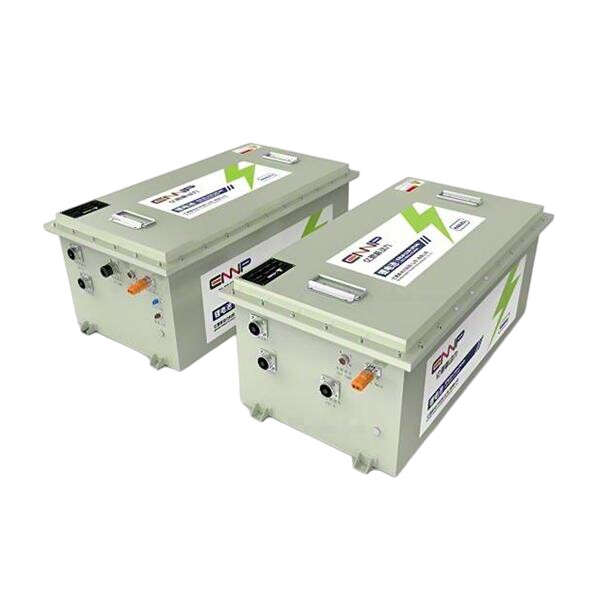
 Articulated Boom Lift Battery Pack
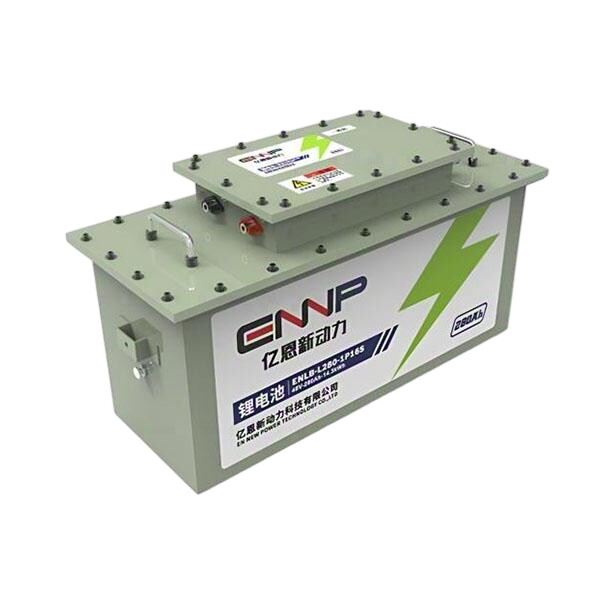
 Straight-Arm Aerial Work Platform Battery PackExplore our 76.8V-83.2V aerial work platform battery packs with 280Ah-560Ah capacity. Featuring LFP technology, natural cooling & 1C charge/discharge rate for industrial applications.
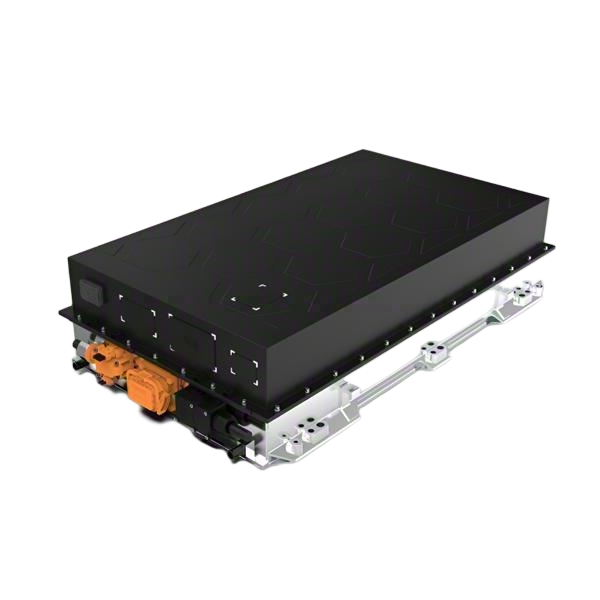
 Excavators, Loaders, and Mining Trucks Battery PackDiscover durable, high-energy battery packs for heavy-duty mining equipment. Featuring liquid cooling, LFP technology, and superior safety standards for harsh conditions.