Three-Stage Advancement | EN New Power One-Stop Microgrid Solution
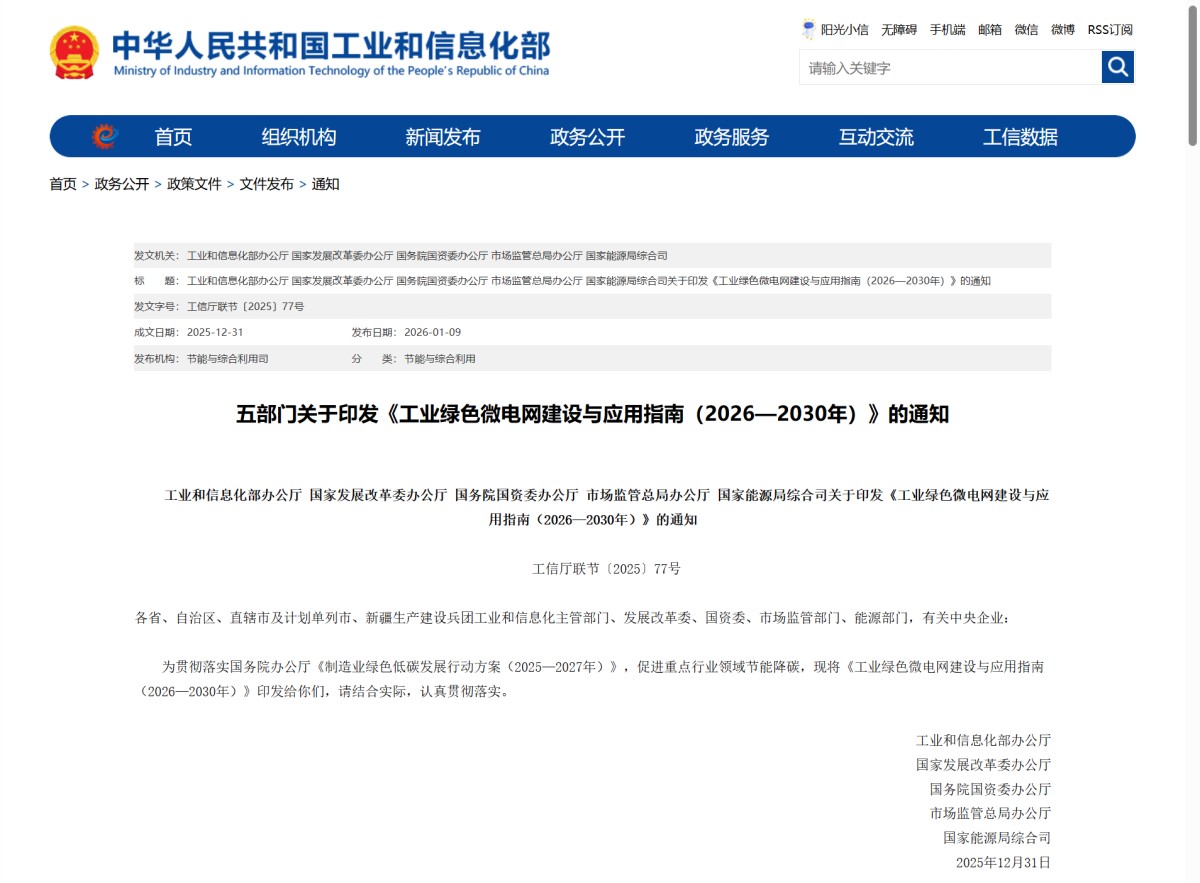
As energy transformation accelerates, microgrids have evolved from a niche technical concept to a standard user-side solution for industries, parks and mines. In 2026, five national authorities including the Ministry of Industry and Information Technology issued the Guidelines for the Construction and Application of Industrial Green Microgrids (2026–2030), specifying that the on-site consumption ratio of newly built renewable energy power generation in industry shall be no less than 60%. With clear policy guidance and mature technologies, microgrids have entered a golden era of large-scale deployment.
 Integrating industry evolution and self-developed energy storage technologies, Yien New Power fully explains the development logic, revenue model and implementation capabilities of microgrids, helping enterprises quickly understand, select and apply the right microgrid solution.
I. Three-Stage Evolution of Microgrids: From "Functional" to "Standard"
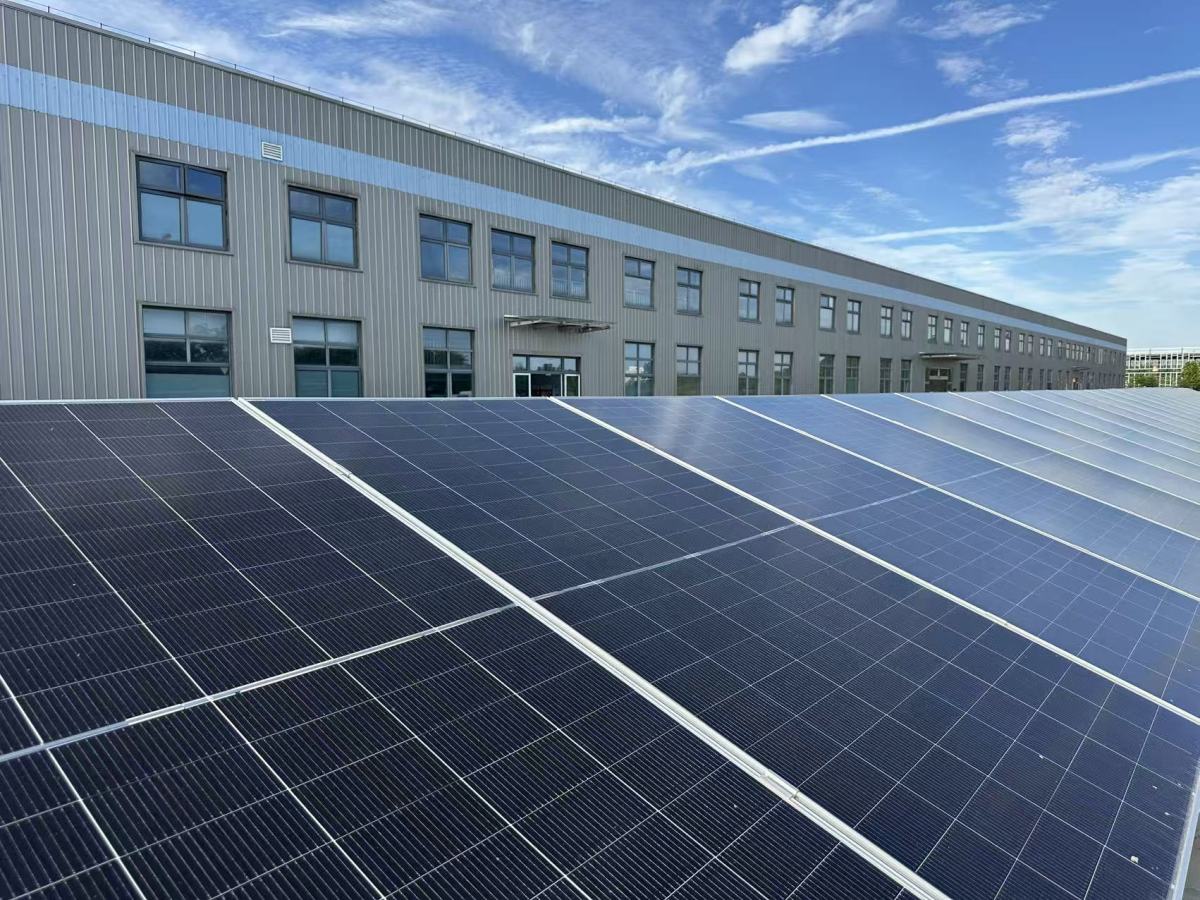
- Functional Stage: Basic grid-tied PV-storage systems that only achieve preliminary green power consumption with limited value, mostly used in demonstration projects.
- Practical Stage: Grid-connected/off-grid backup microgrids supporting both grid-tied and off-grid operation. They enable peak-valley arbitrage to cut costs during normal operation and provide seamless backup power for critical loads during outages, making backup power a rigid demand.
- Standard Stage: Hassle-free switching green microgrids with unnoticeable grid-tied/off-grid switching and greatly improved green power penetration, becoming an essential energy solution for enterprises in the new power system.
II. Three Core Values Focused on Enterprise Self-Use Needs
- Cost Reduction: Integrate clean energy such as PV and wind power for priority self-consumption to replace expensive grid power. Energy storage systems balance loads, shave peaks and reduce demand charges, cutting monthly electricity costs at the source.
- Supply Security: Provide independent power supply in areas with unstable public grids. Quickly switch operation modes during peak power rationing or sudden outages to avoid production downtime and equipment damage, safeguarding industrial production.
- Low-Carbon Transition: Increase renewable energy consumption ratio, systematically manage green power data, easily meet energy-saving and carbon-reduction assessments, and support factories and parks in green transformation.
III. EN New Power Microgrid: One-Stop Deployment for All Scenarios
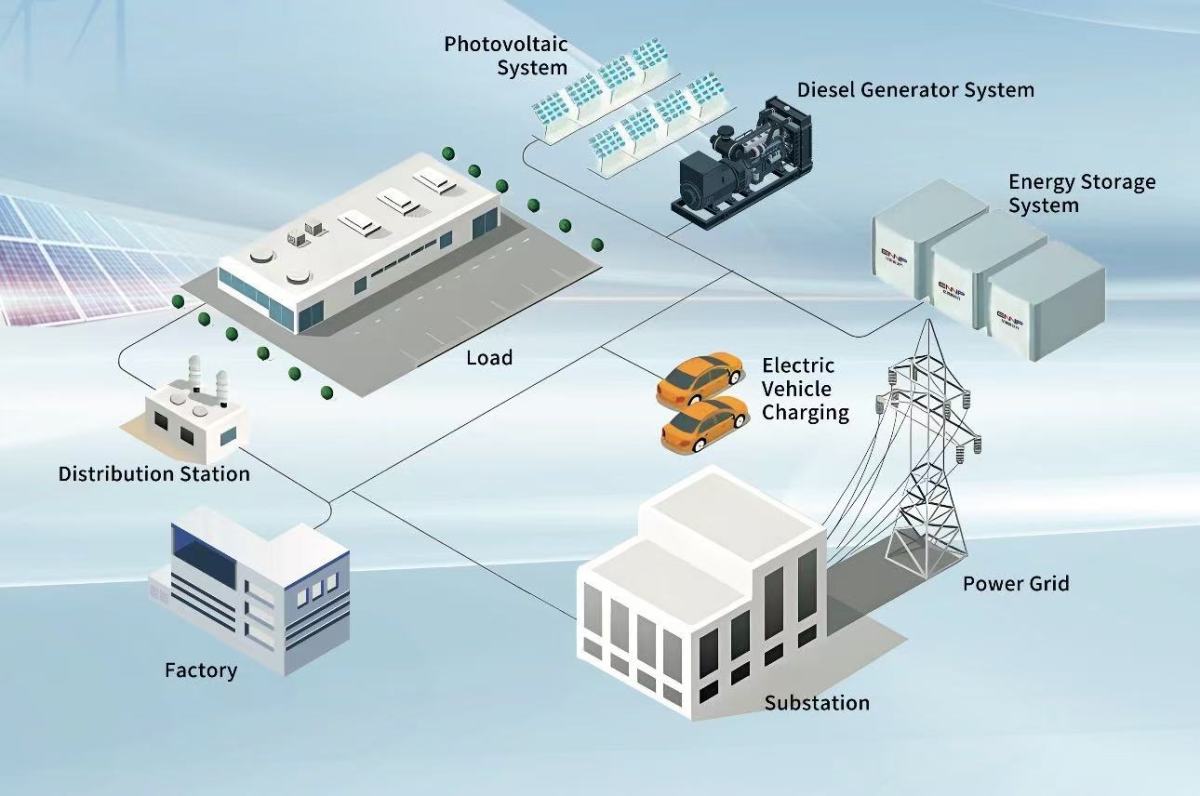
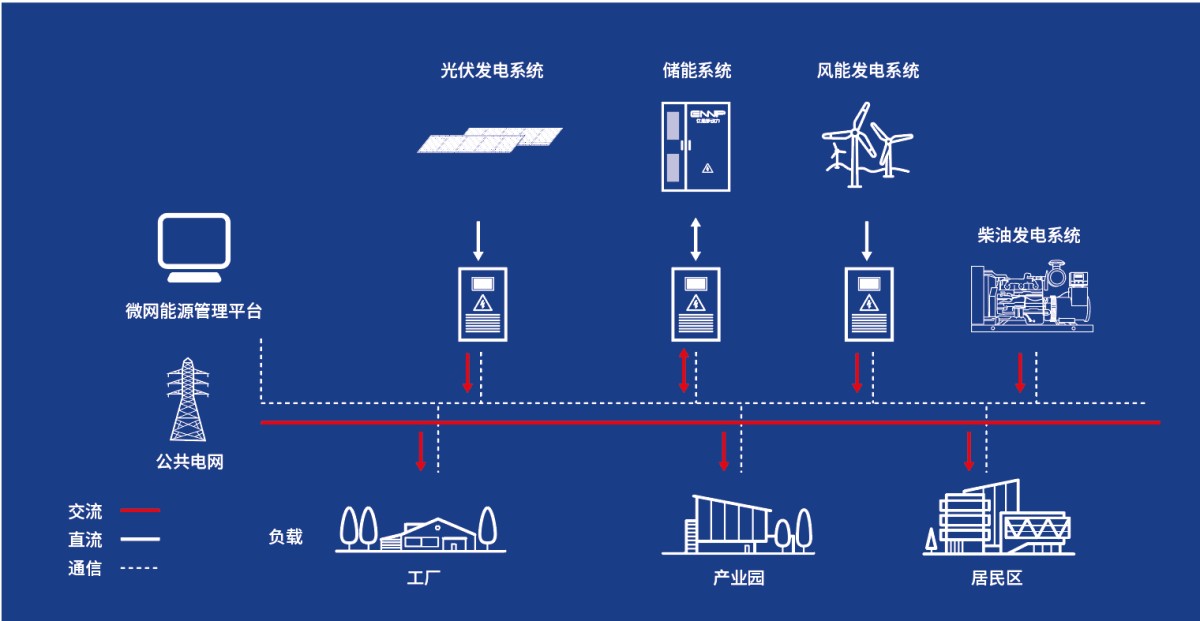
- Power Generation Side: Connect PV and wind clean energy to maximize free green power utilization.
- Energy Storage Side: Self-developed integrated energy storage system with multi-level fire protection, ensuring safety, stability and high conversion efficiency.
- Backup Side: Equipped with diesel generators for emergency power supply in extreme scenarios to eliminate outage losses.
- Control Side: Self-developed EMS intelligent cloud platform for remote monitoring and automatic power dispatching, supporting unattended operation.
IV. Core Advantages of Choosing Yien New Power
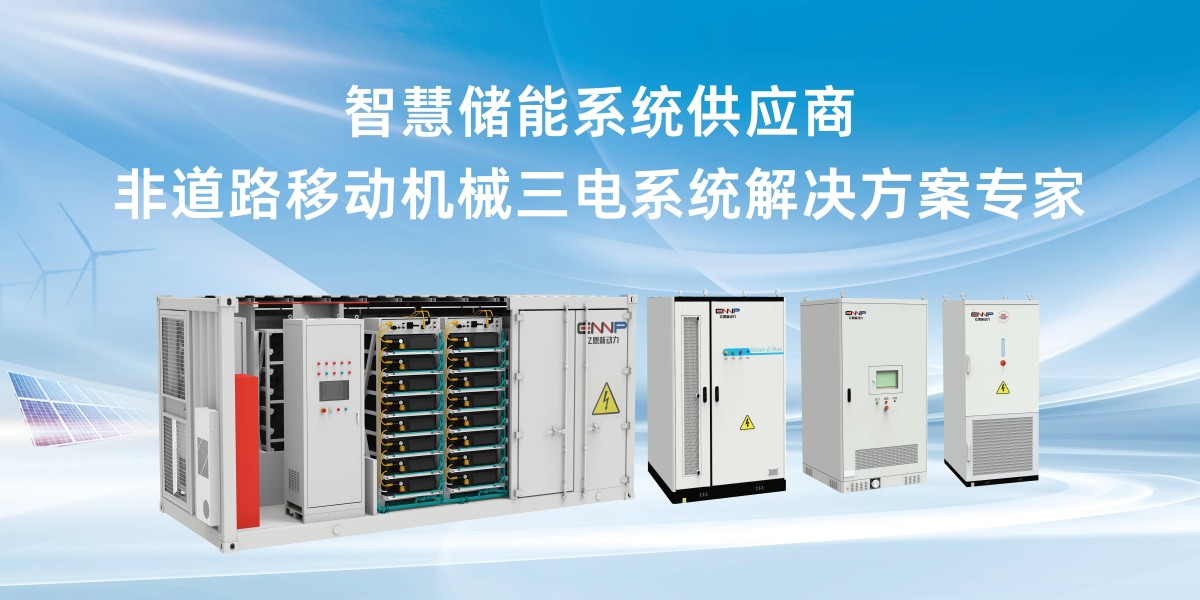
- Brand Strength: Wholly-owned subsidiary of listed company IDI Precision Machinery; self-developed and self-produced, ensuring reliable delivery and quality control.
- Technical Expertise: Deeply engaged in industrial & commercial energy storage and construction machinery power batteries, adapting to complex working conditions in industry and mining.
- Customized Solutions: Tailored planning based on site, load and electricity price, balancing practicality and cost-effectiveness.
- Full-Cycle Service: One-stop service covering solution design, equipment production, filing & grid connection, and operation & maintenance hosting for hassle-free deployment.